Sustainable Living
Florida Cottage Food Law — Sell From Your Kitchen
Up to $250,000/year of approved homemade foods — no license, no inspection.
Florida's Cottage Food Law (FS 500.80) lets residents make and sell approved non-hazardous foods directly from their home kitchen without a permit or inspection. It's one of the most powerful homestead income tools we have — and most Montura families don't know it exists.
Hands-on training
Sign up for the Food Preserving class
Florida cottage food rules plus safe preserving for shelf-stable products.
What You CAN Sell
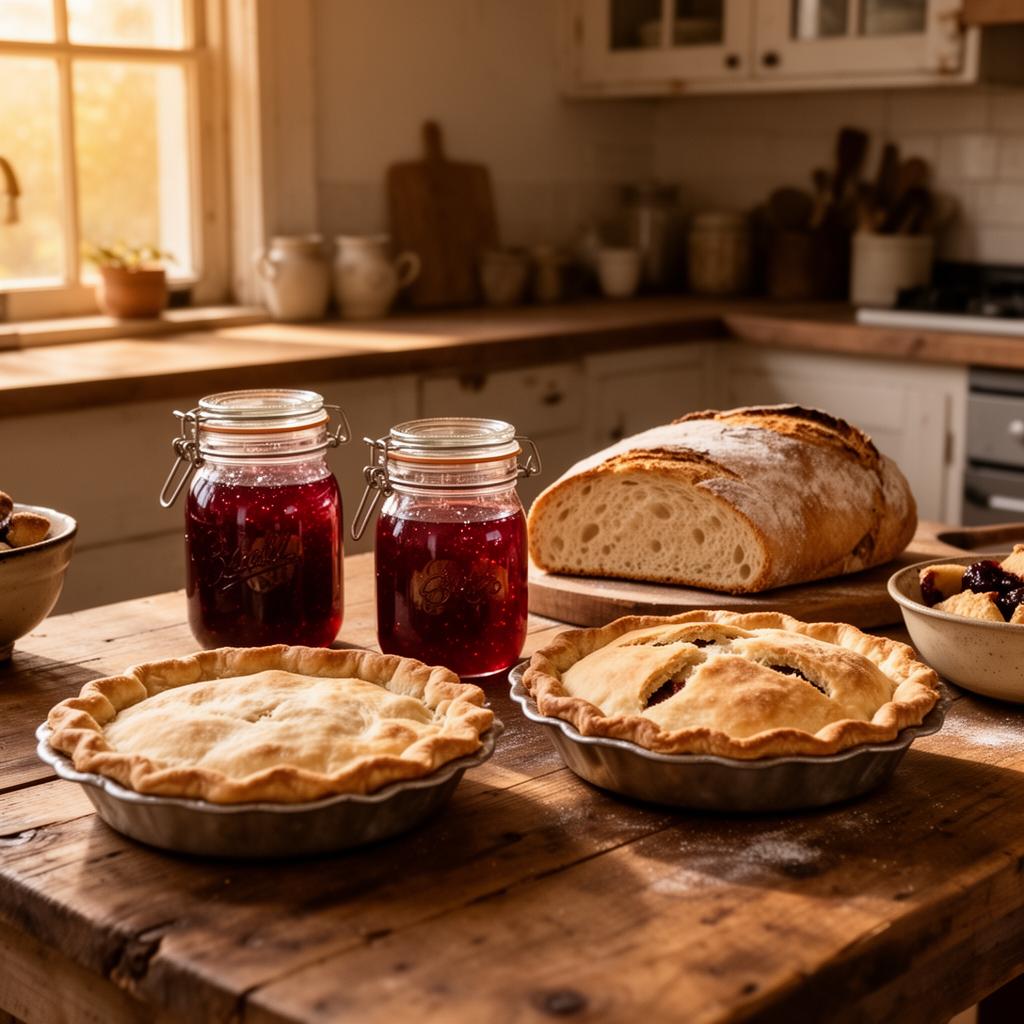
Baked goods (breads, cookies, cakes, brownies, biscuits), jams and jellies from high-acid fruits, honey, dried herbs and seasonings, popcorn, candy and chocolate-covered items, granola, trail mix, fresh produce you grew, dried pasta, vinegars, flavored oils, and roasted coffee. Anything shelf-stable that doesn't need refrigeration.
What You CANNOT Sell
Meat, poultry, seafood, dairy, fermented foods (kombucha, kimchi), low-acid canned goods (green beans, untested salsa, pickles), cheesecakes, cream pies, or anything that needs refrigeration.
How You Can Sell
Direct to consumer only — your home, roadside stand, farmers markets, events, online with in-state delivery, and by mail within Florida. No wholesale, no restaurants, no grocery stores.
Required Label
Every package must show product name, ingredients (descending by weight), allergen statement, net weight, your name and address, and this exact phrase: 'Made in a cottage food operation that is not subject to Florida's food safety regulations.'
Sales Cap
Up to $250,000 gross sales per year. Above that you need a commercial kitchen and an FDACS food permit.
Helpful Links
Have information to add to this page? Email hello@monturacivic.com