Save Montura200 acres of wild Montura are for sale right now. Help us buy it back before developers do.Join the movement →

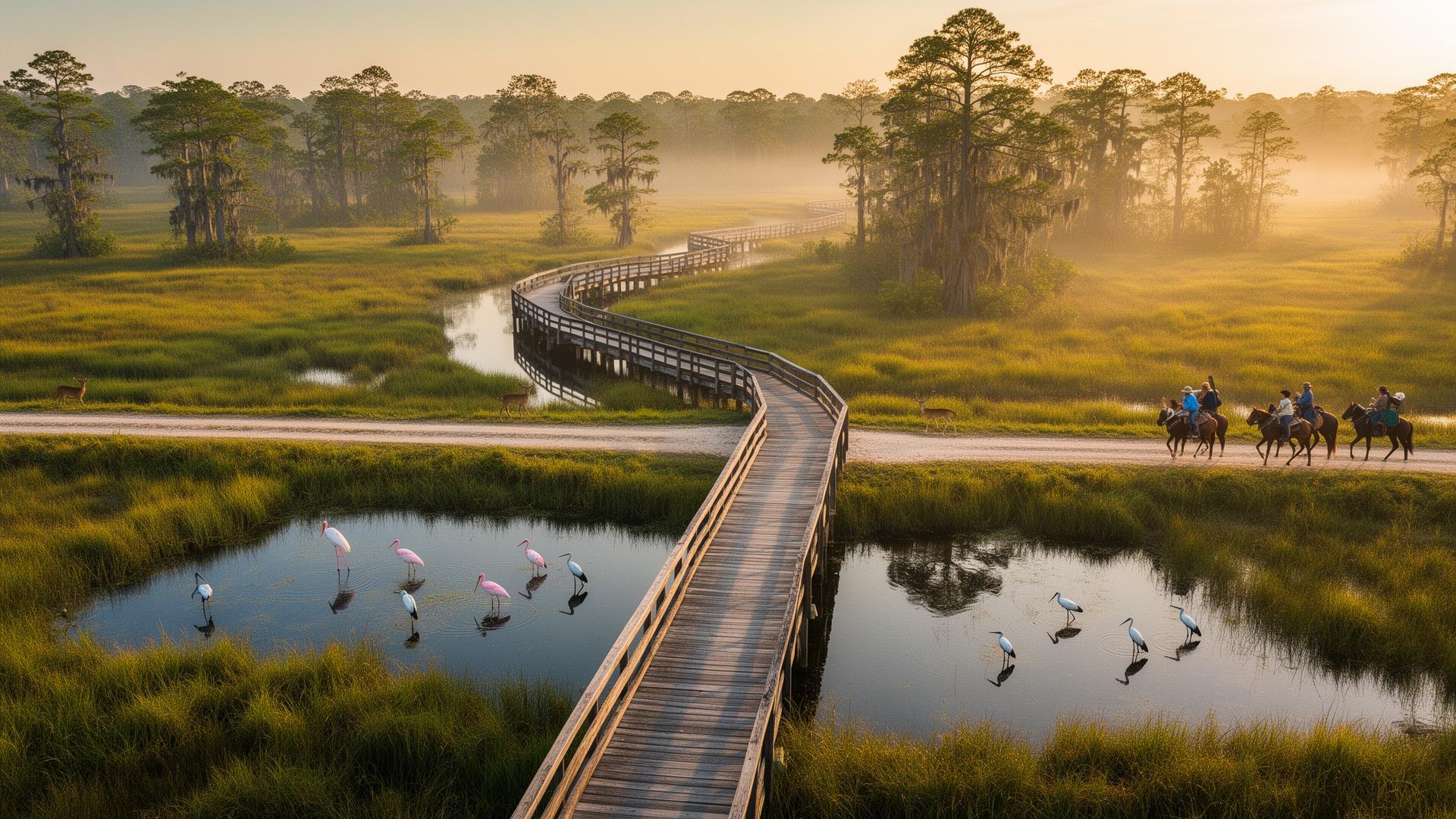
Aerial view of a wooden boardwalk winding through Everglades wetlands with wading birds, deer, and horseback riders at misty sunrise

A guided walk · Outdoors

Reservoir & Nature Trails

4,000 acres of Everglades wetlands, cypress, prairie, and pine — reserved for Montura Ranches residents. Walk it with us at sunrise.

Six stops · Twenty-plus species

The walk

Step onto the levee. The Everglades wakes up around you.

Right at our doorstep is 4,000 acres of working reservoir laced with wetlands, cypress dome, palmetto, and open prairie — one of the most beautiful and underused natural areas in South Florida. What follows is a sunrise walk through six habitats, in the order you'd actually find them. Bring water. Bring a camera. Leave no trace.

Stop 01 · The canopy

Pine, palm, oak, cypress

The trees tell you where the water goes.

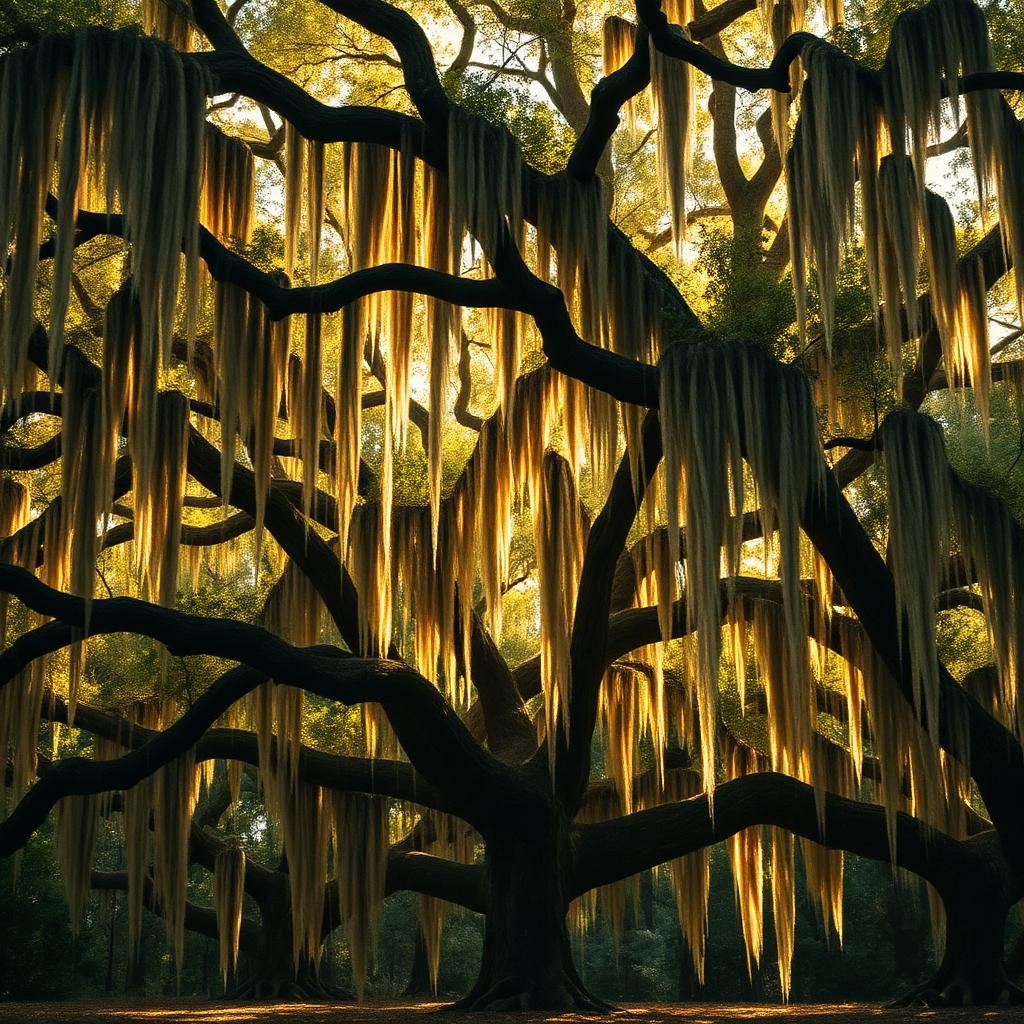
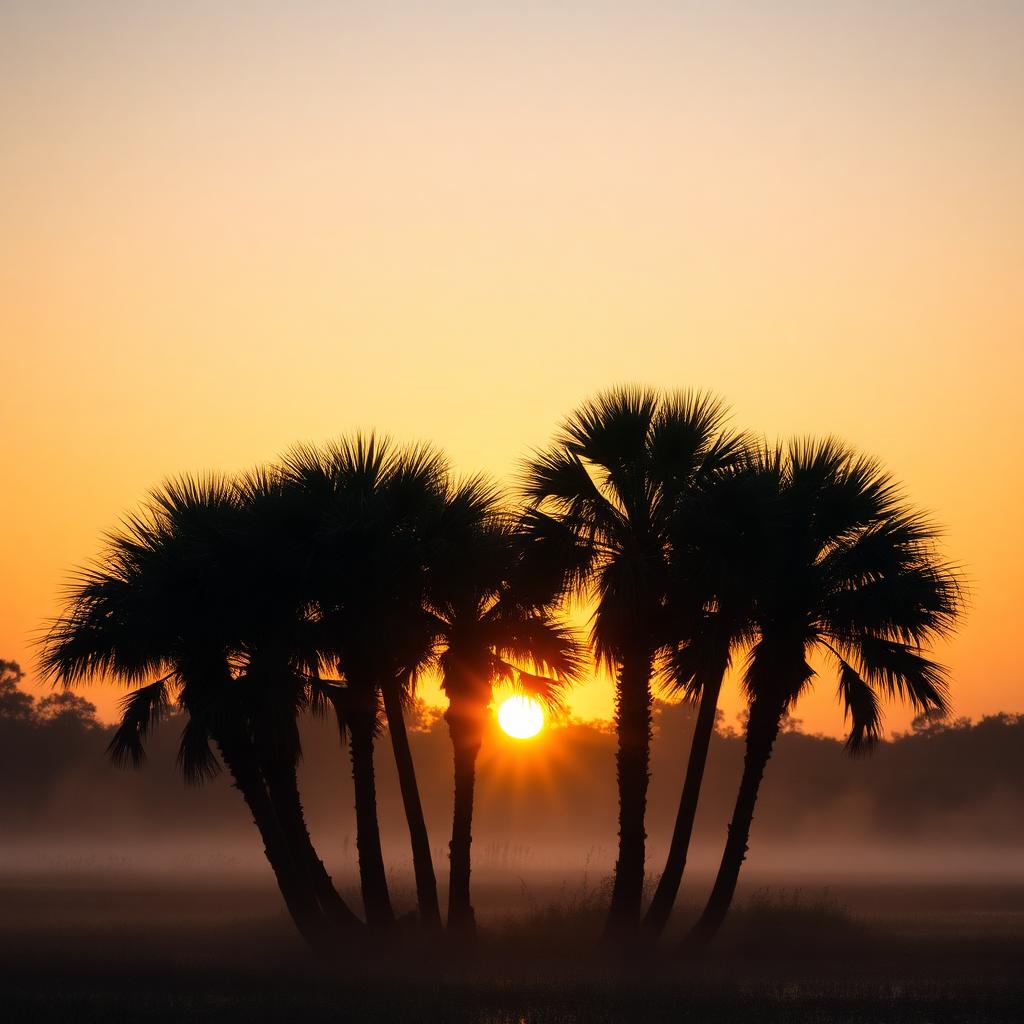
High and dry, you're in slash pine flatwoods — tall, fire-shaped, saw palmetto at your boots. Drop a few feet and the ground softens into live oak hammock draped in Spanish moss. Drop a few more and the cypress dome rises out of the water, knees and all. The sabal palms hold the middle ground, silhouetting every Florida sunrise you've ever seen.

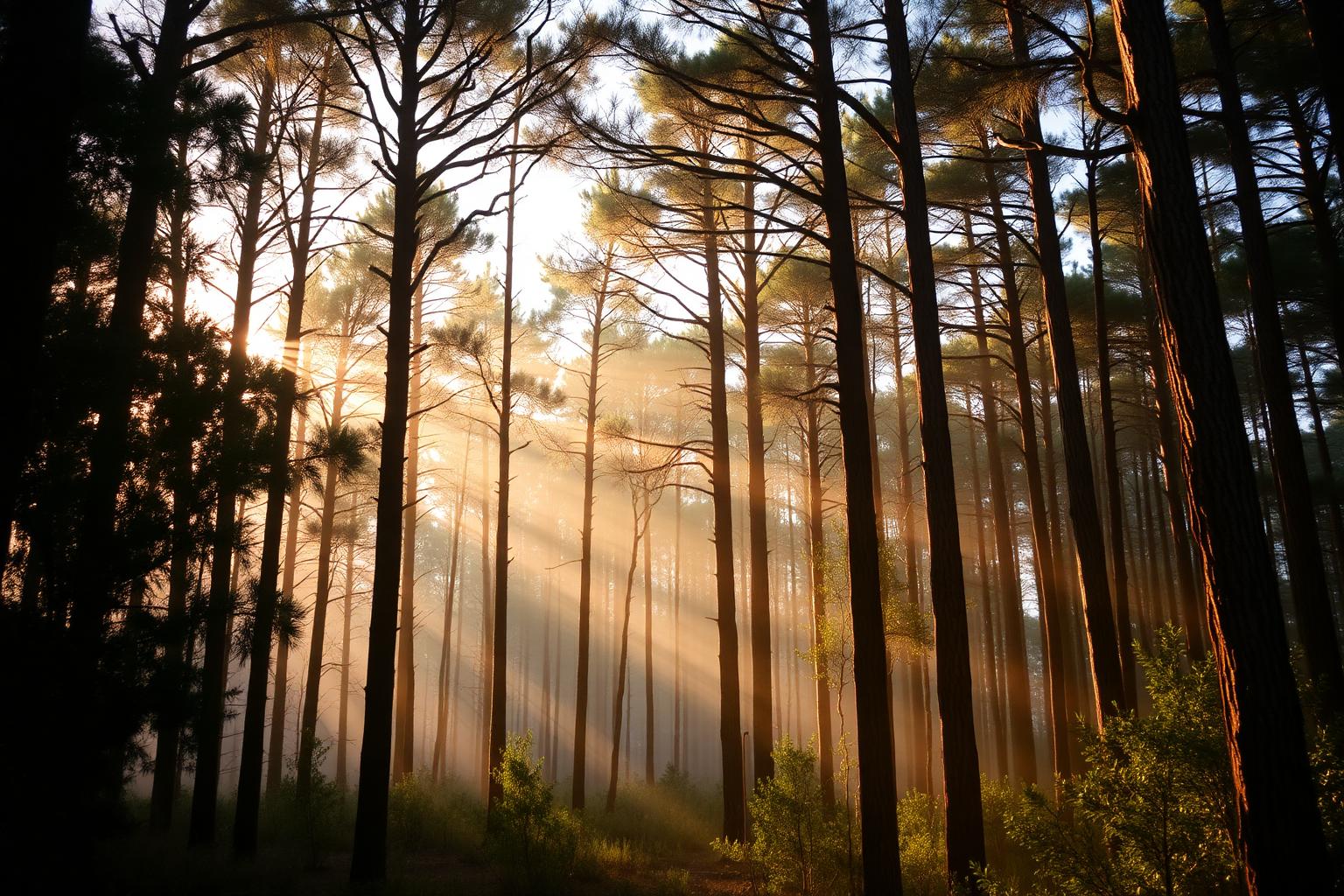
Slash Pine Flatwoods

Slash Pine Flatwoods

Tall, fire-shaped, the bones of the upland.

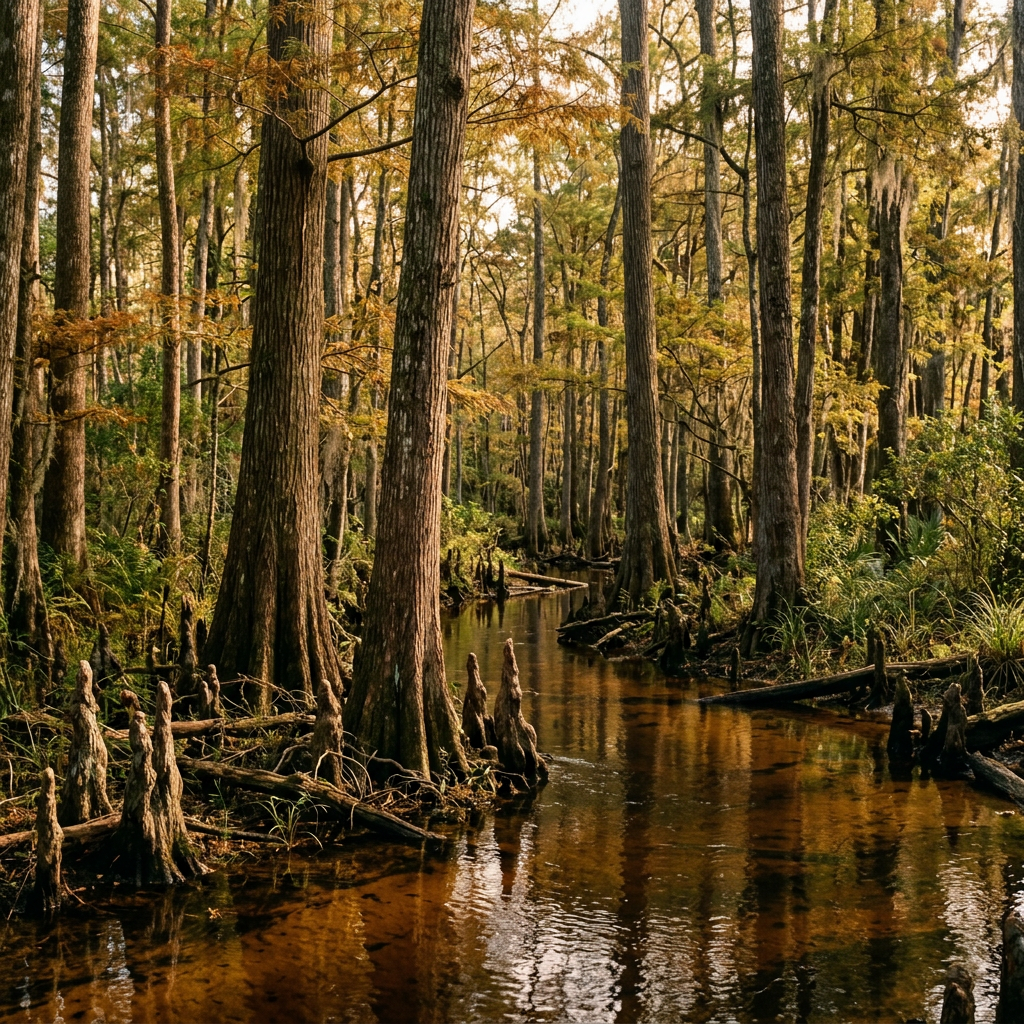
Cypress Dome

Cypress Dome

Knees in the water, crowns in the mist.

Live Oak & Spanish Moss

Live Oak & Spanish Moss

Shade older than your grandparents.

Sabal Palm

Sabal Palm

The Florida state tree, silhouetted at sunrise.

Stop 02 · The marsh edge

Wading birds at first light

They are why you came at sunrise.

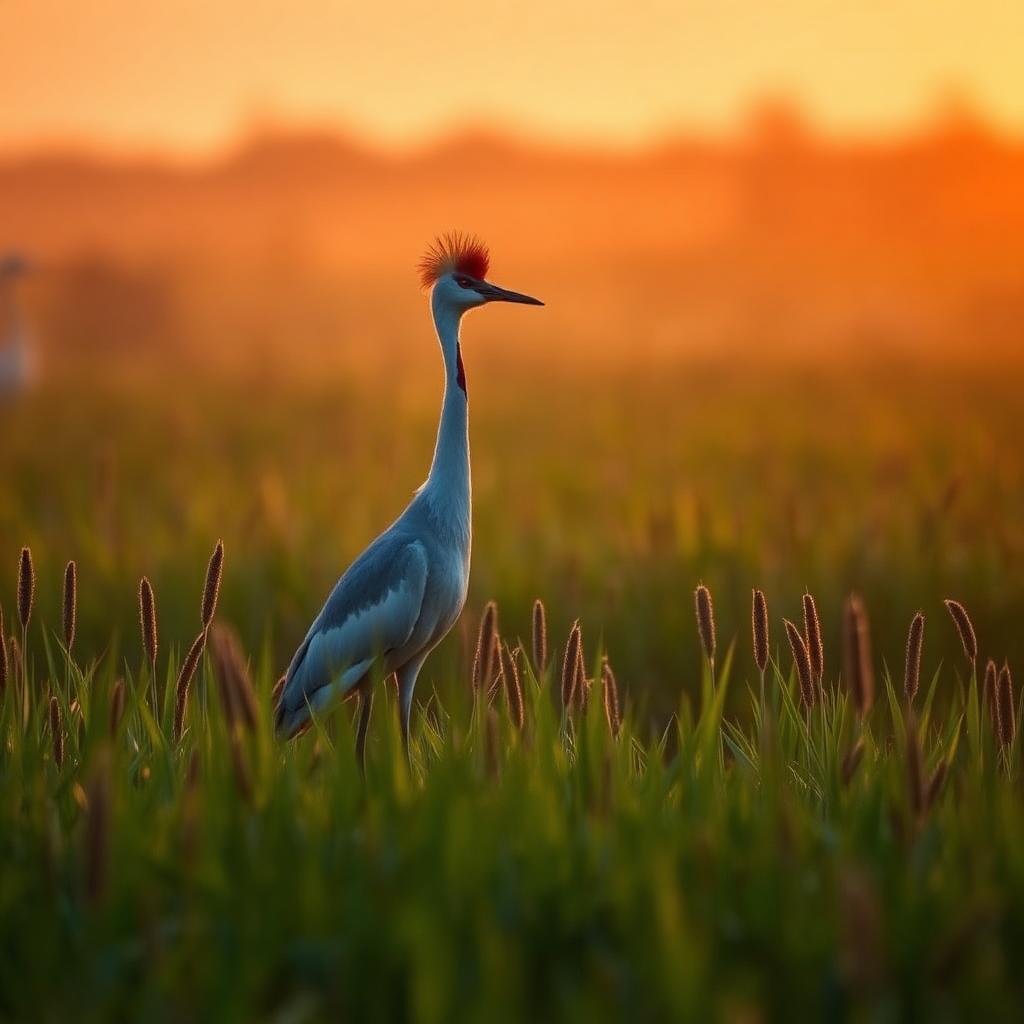
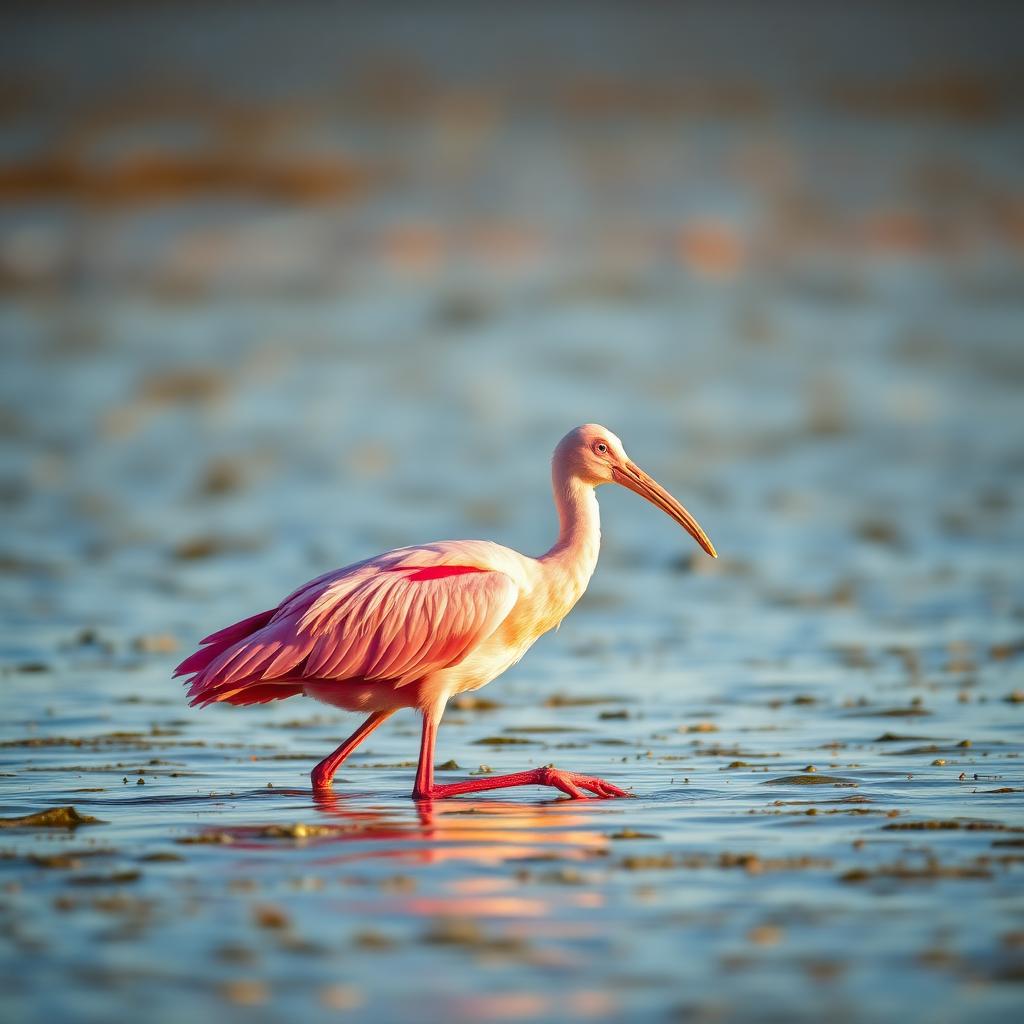
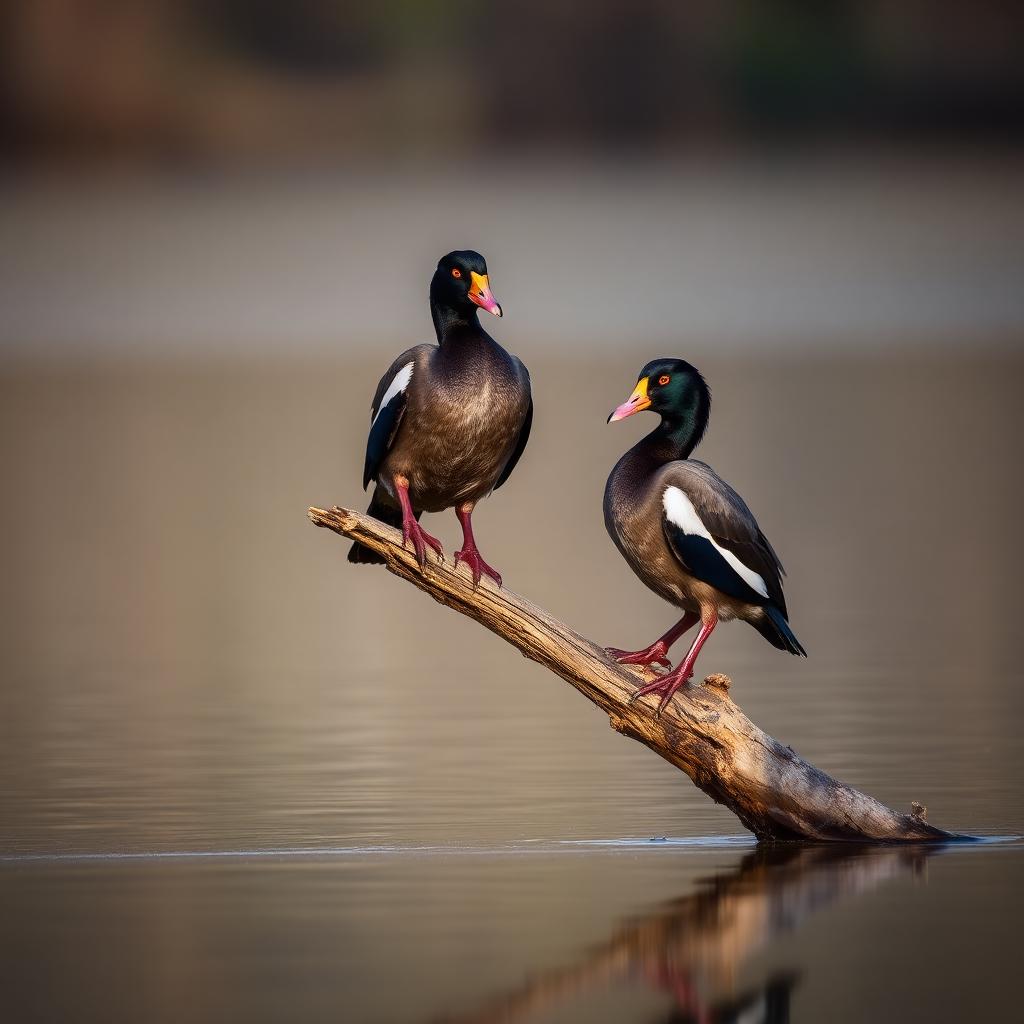
The shallows along the levee are the busiest theater in Florida at dawn. Cranes call from the grass. Spoonbills sweep their pink heads side to side. Wood storks — federally protected and once nearly gone — stand shoulder-to-shoulder with herons, egrets, and ibis. Whistling ducks pass overhead in noisy little squadrons. Move slow. They tolerate it.

Sandhill Crane

Sandhill Crane

Listen for their rattling call before you see them.

Roseate Spoonbill

Roseate Spoonbill

Impossible pink — like a sunrise that learned to fly.

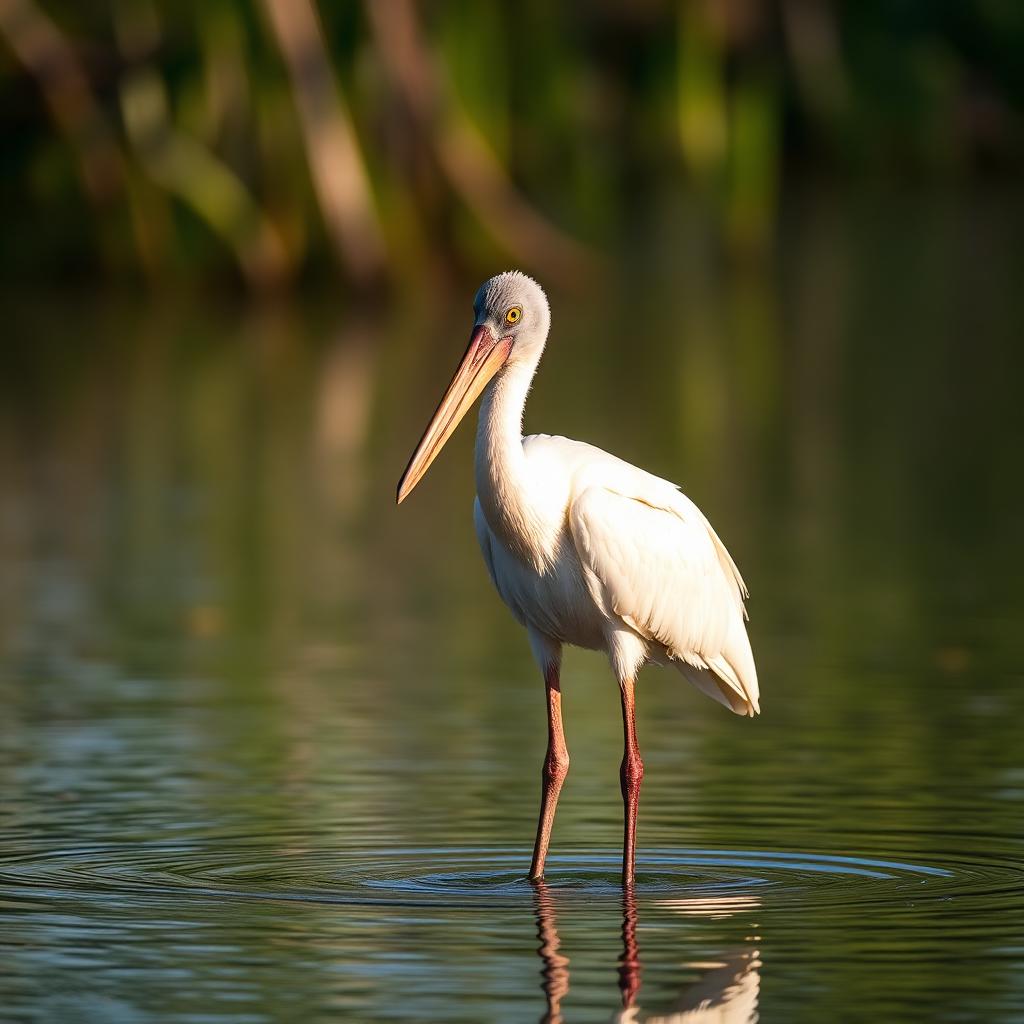
Wood Stork

Wood Stork

Federally protected. A reservoir success story.

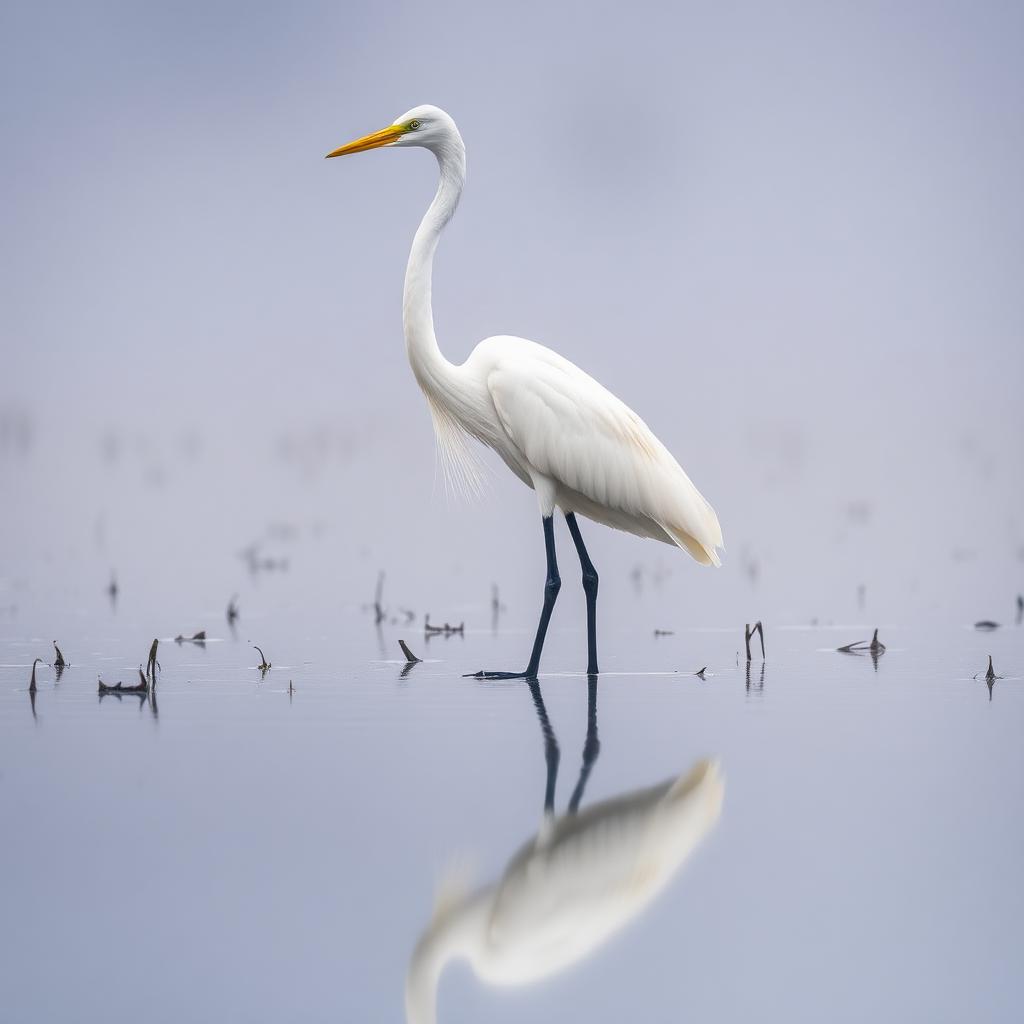
Great Egret

Great Egret

Statue-still until the strike.

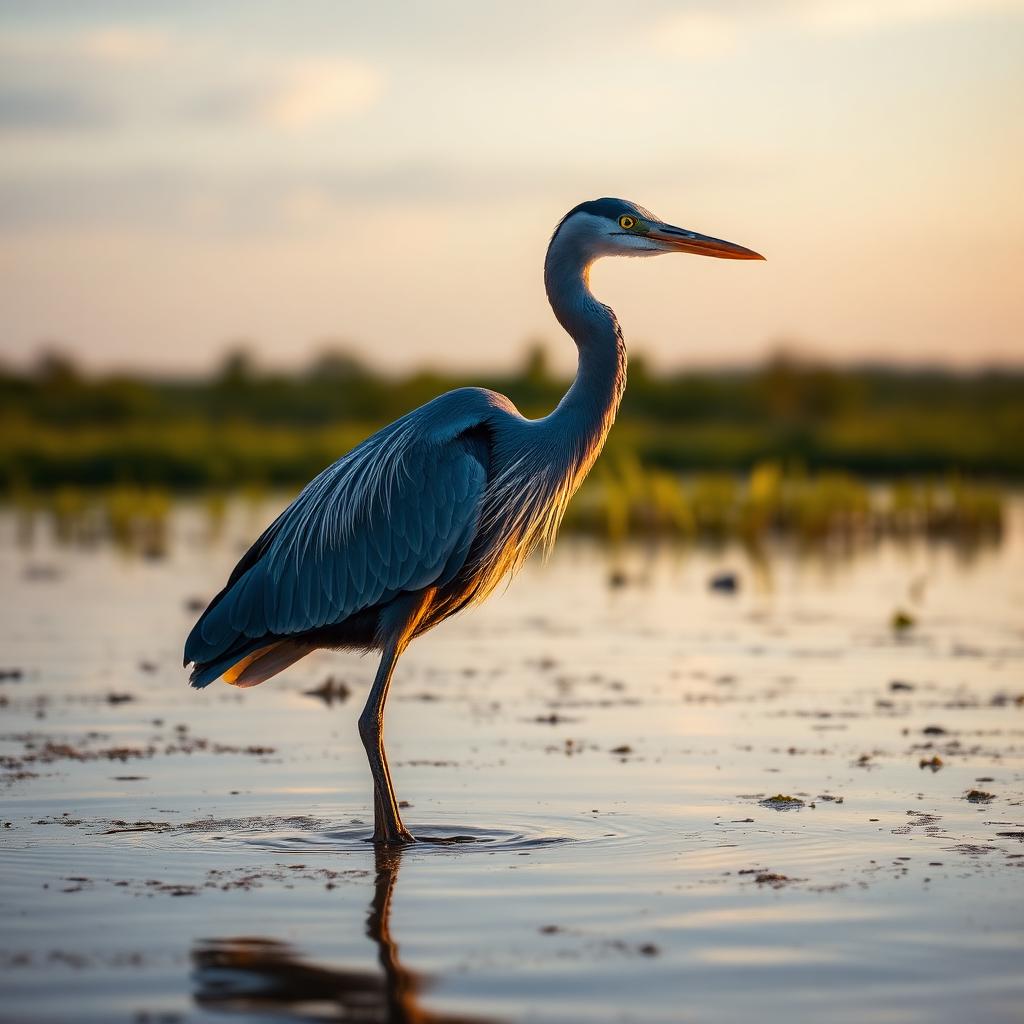
Great Blue Heron

Great Blue Heron

Four feet of patience on stilts.

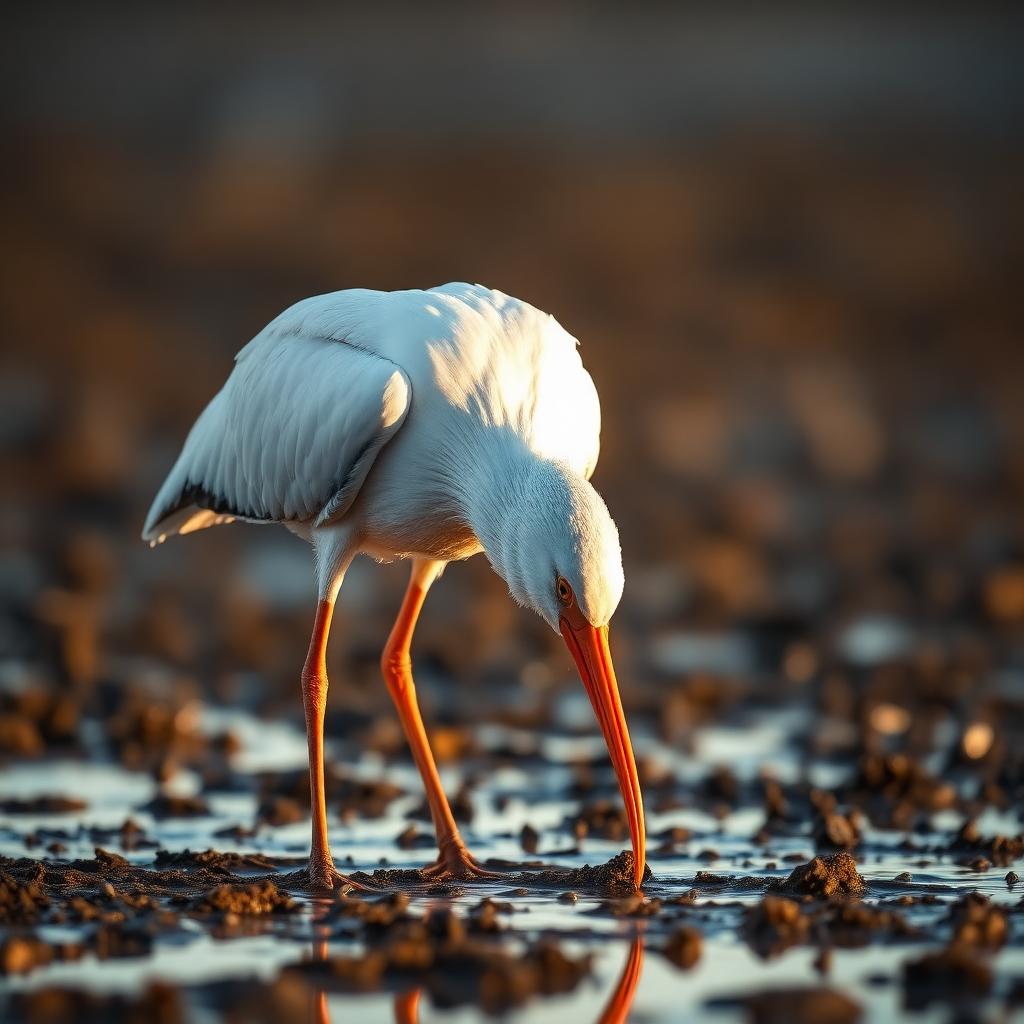
White Ibis

White Ibis

Probing the mud in noisy little flocks.

Whistling Duck

Whistling Duck

They actually whistle. You'll smile.

Stop 03 · Eyes in the sky

Eagles, hawks, owls, kites

Look up. Always look up.

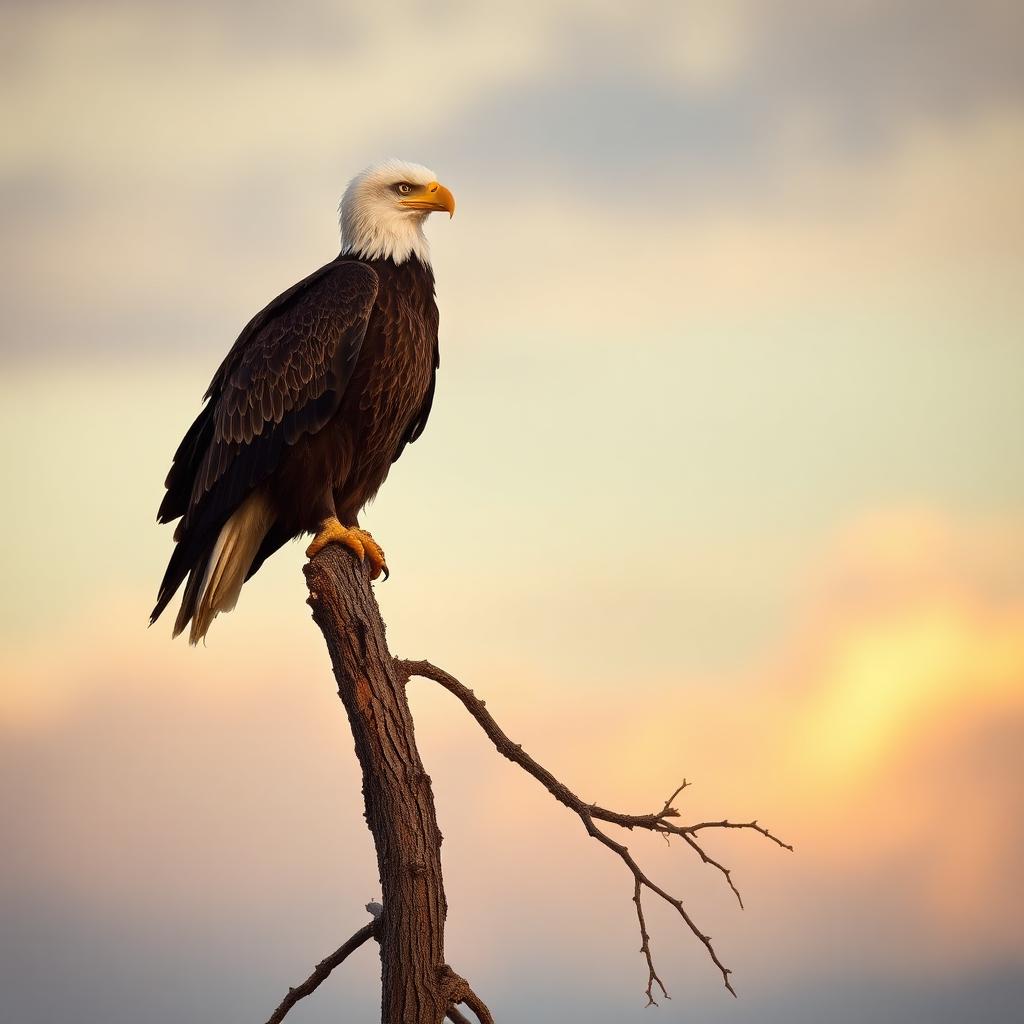
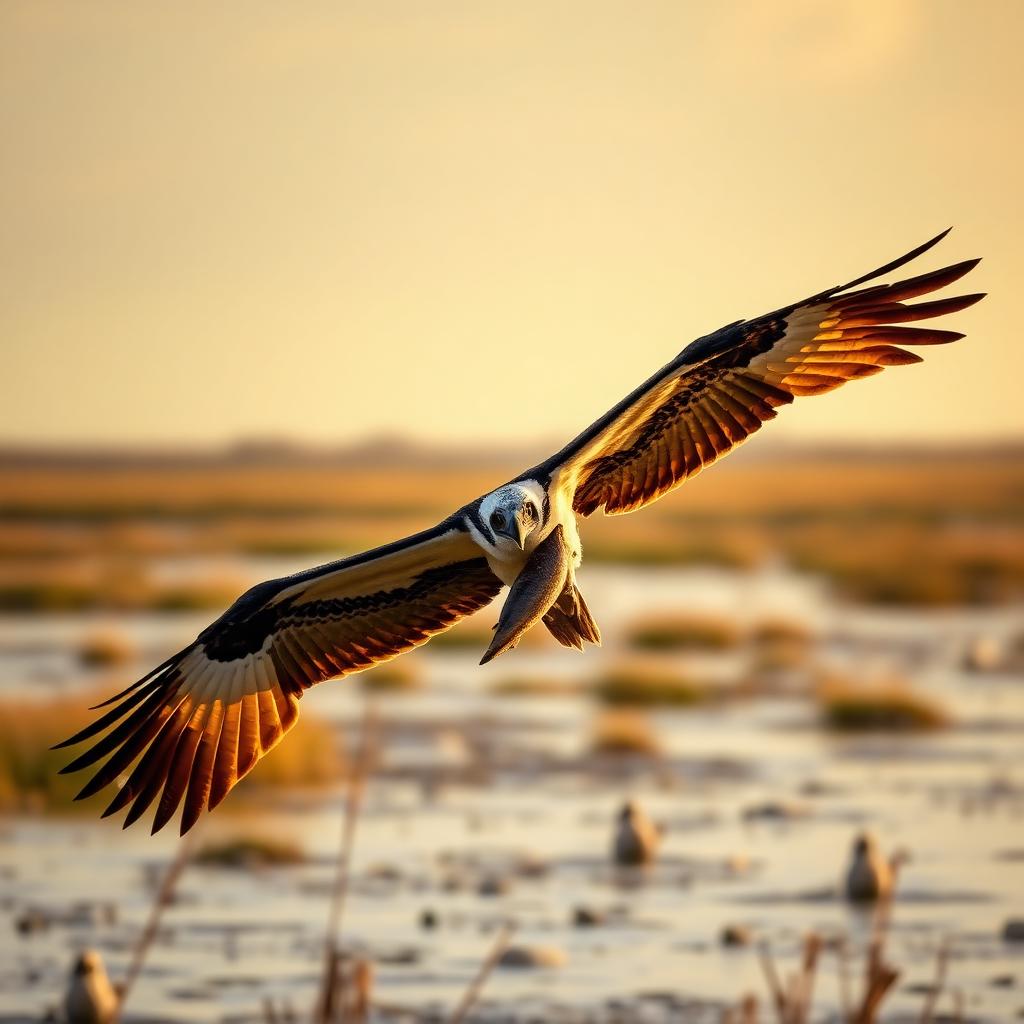
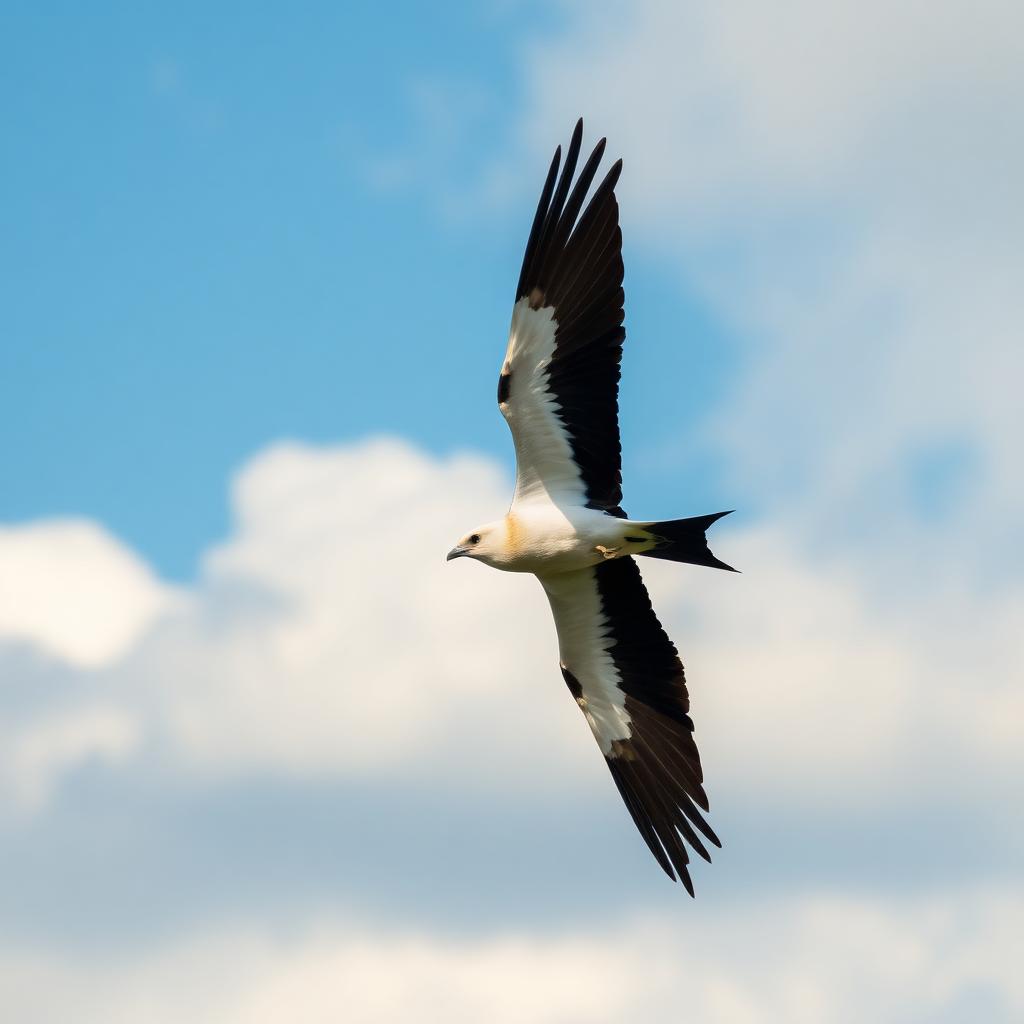
A bald eagle works the reservoir year-round; nesting pairs use the tall snags on the back side. Ospreys dive feet-first for bass. Swallow-tailed kites — arguably the most graceful bird on the continent — drift through every summer. Red-shouldered hawks shout from the oak canopy. After dusk, a barred owl will ask who cooks for you.

Bald Eagle

Bald Eagle

Nesting pairs work the reservoir year-round.

Osprey

Osprey

Dives feet-first. Never misses by much.

Swallow-tailed Kite

Swallow-tailed Kite

Summer visitor. The most graceful bird in Florida.

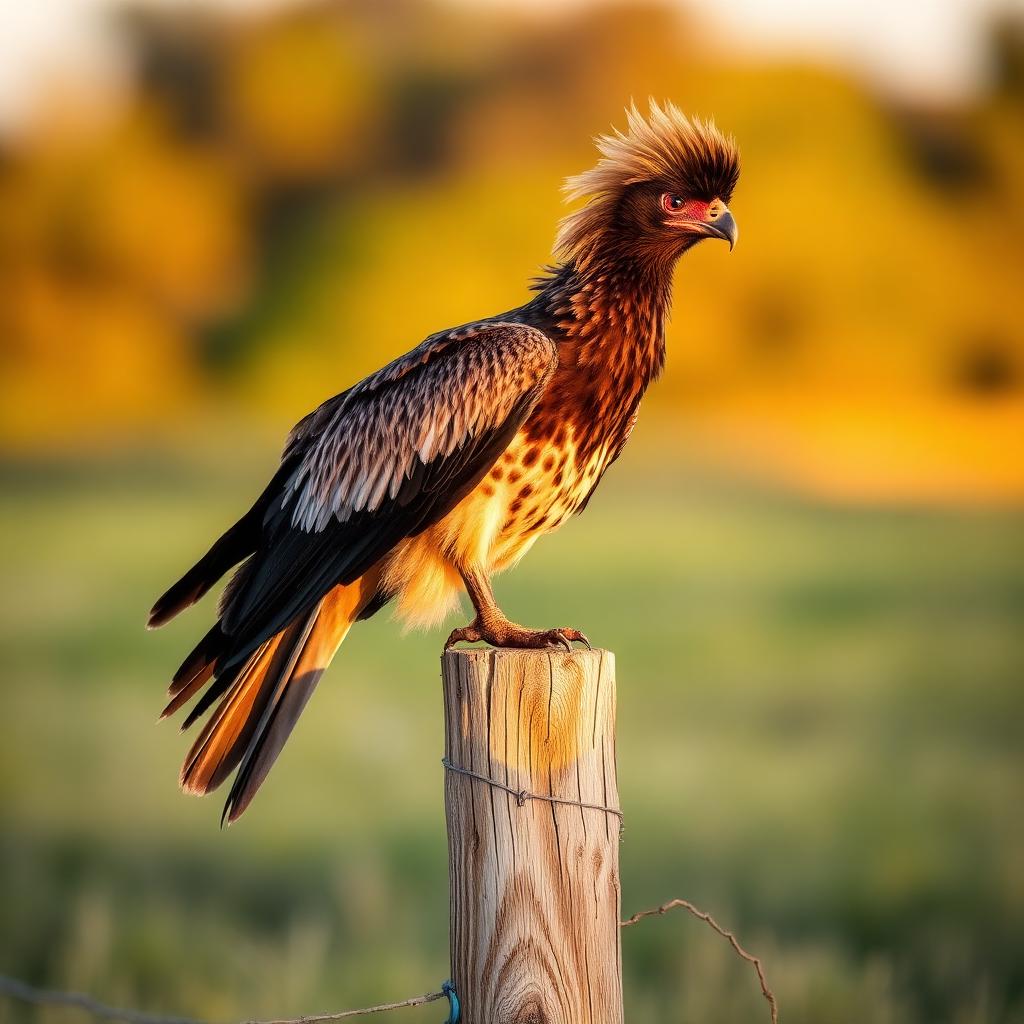
Crested Caracara

Crested Caracara

Florida-threatened. Watches the pastures from fence posts.

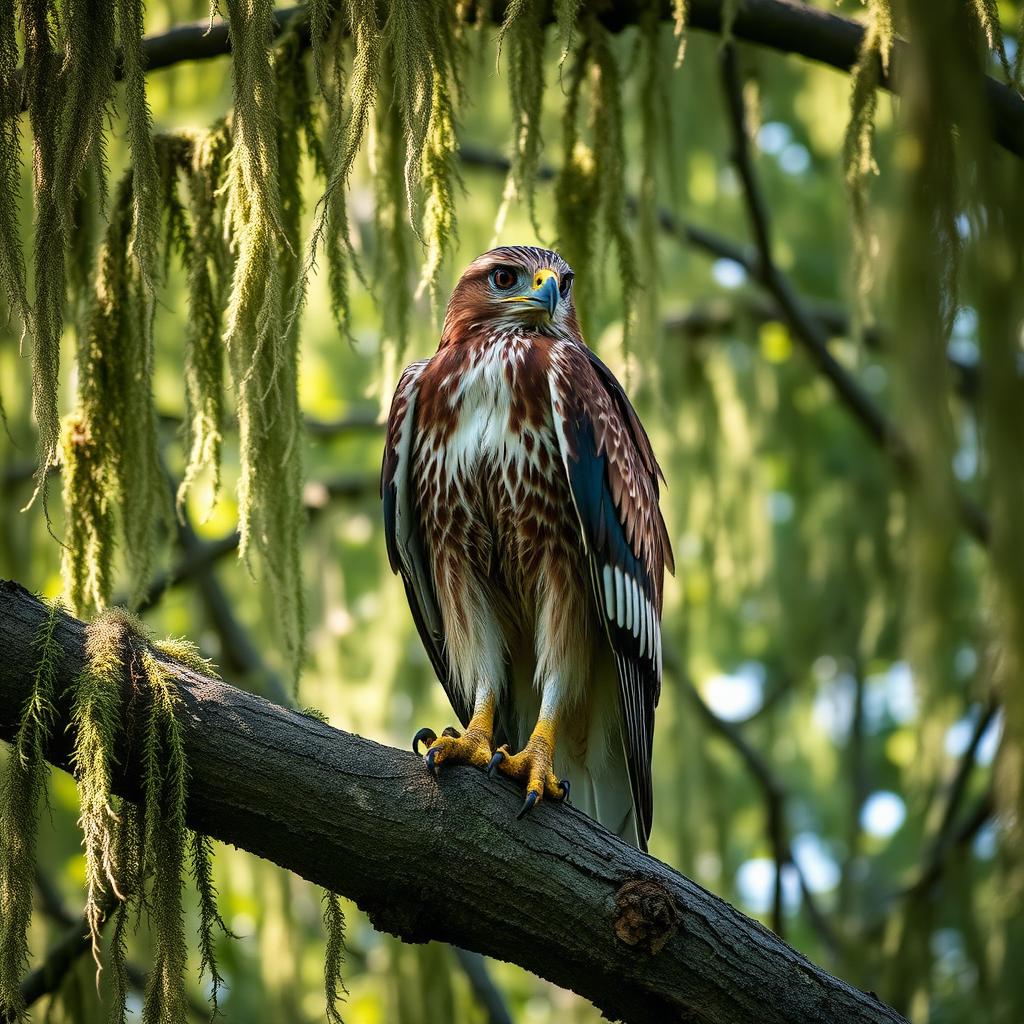
Red-shouldered Hawk

Red-shouldered Hawk

The loudest voice in the oak hammock.

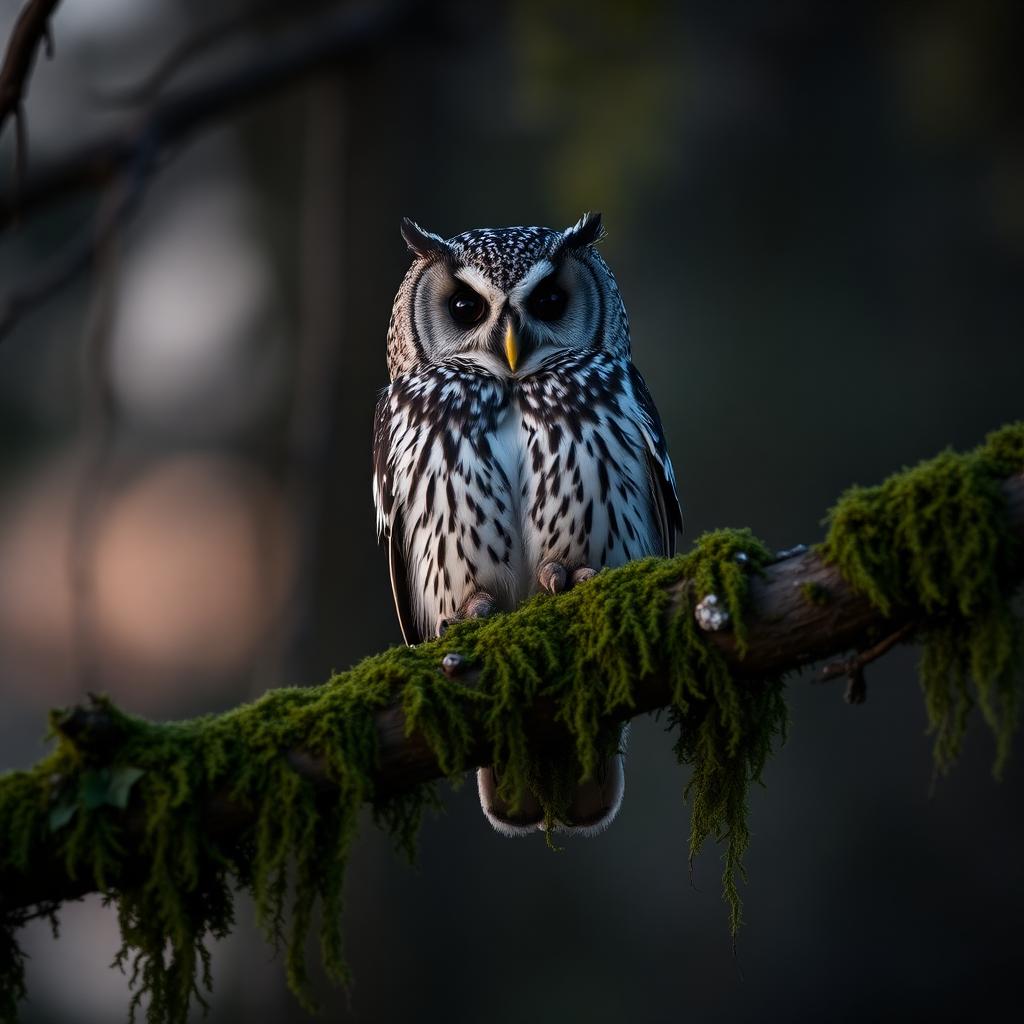
Barred Owl

Barred Owl

Who-cooks-for-you, just after dusk.

Stop 04 · Tracks in the mud

The four-legged residents

You'll see signs of them long before you see them.

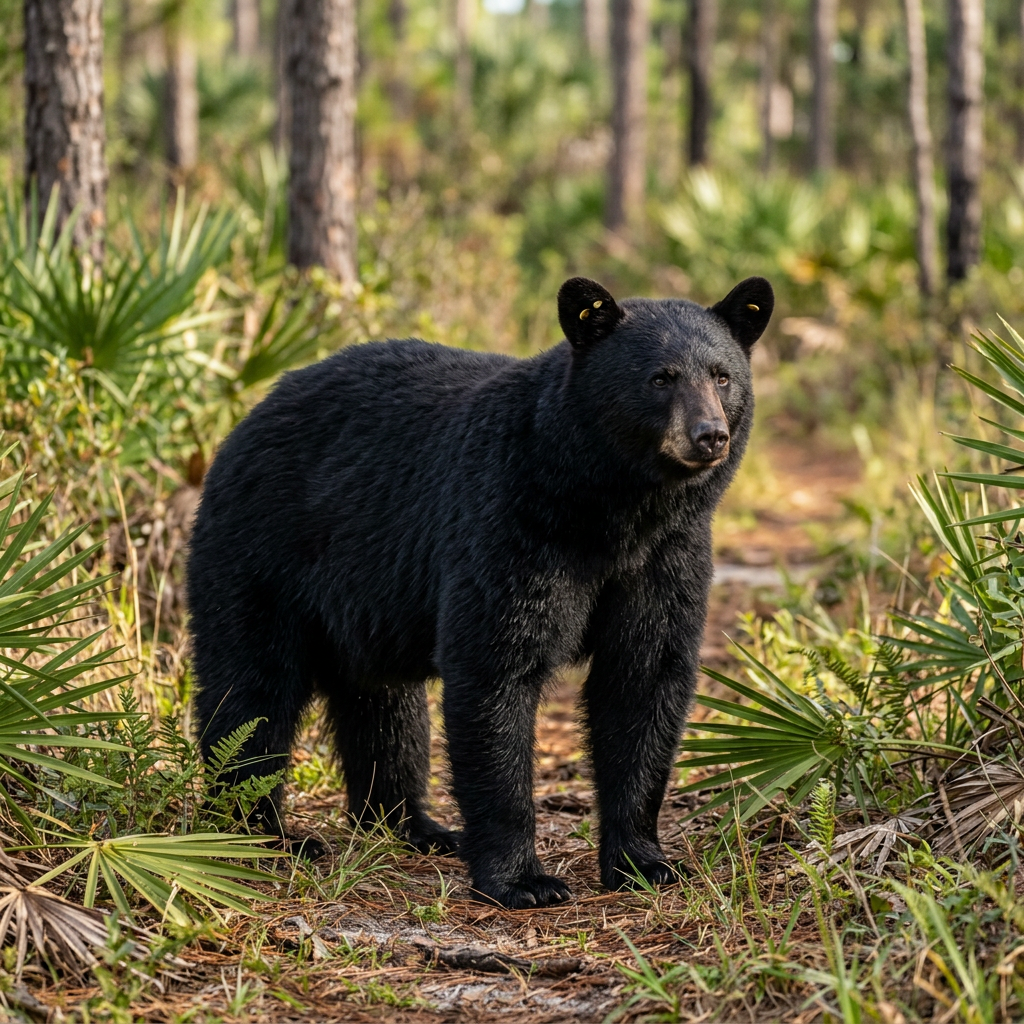
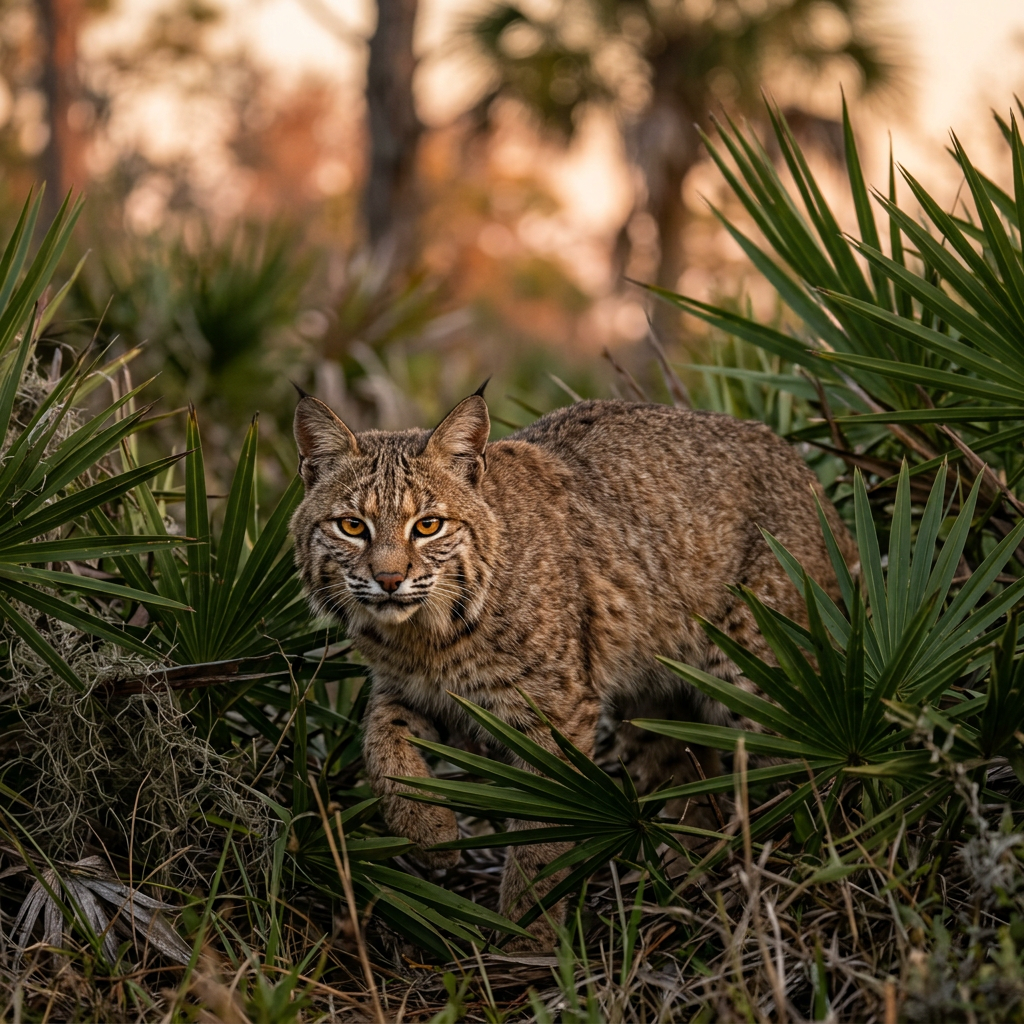
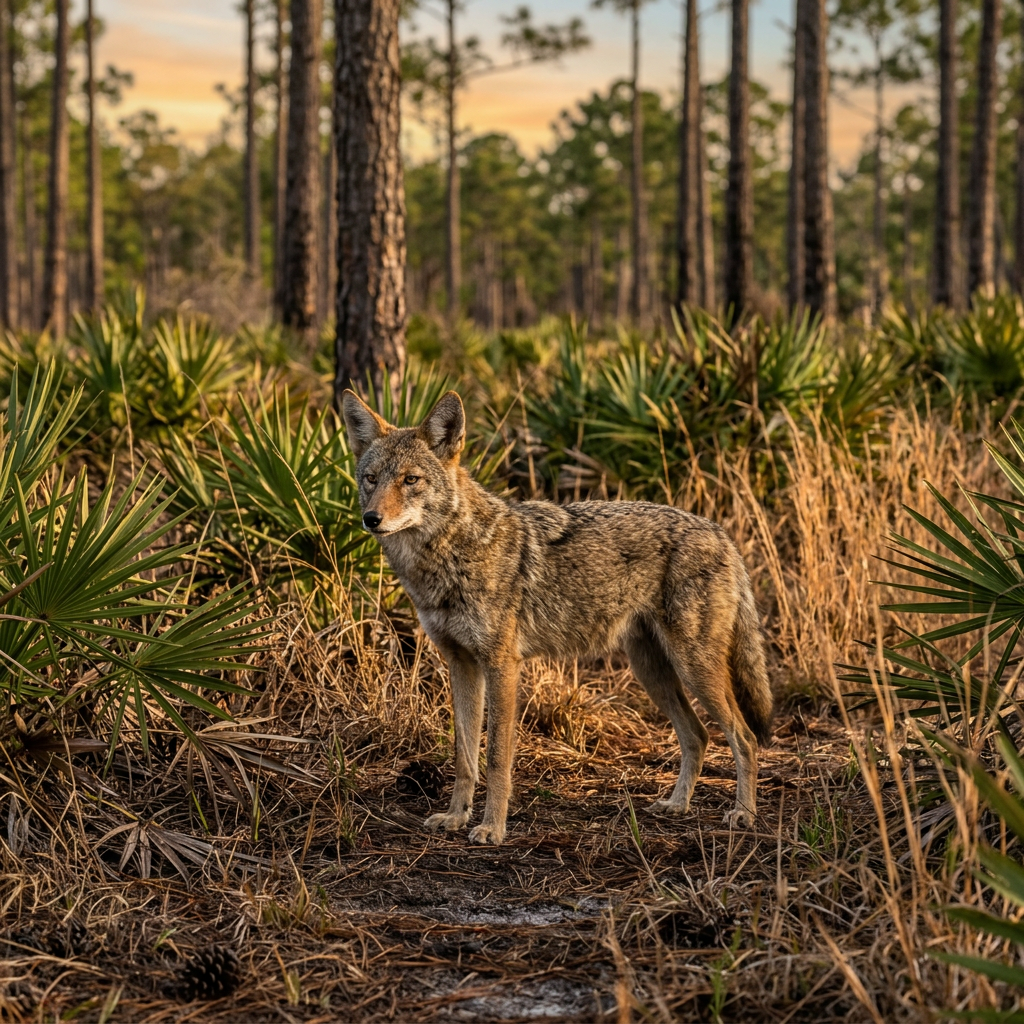
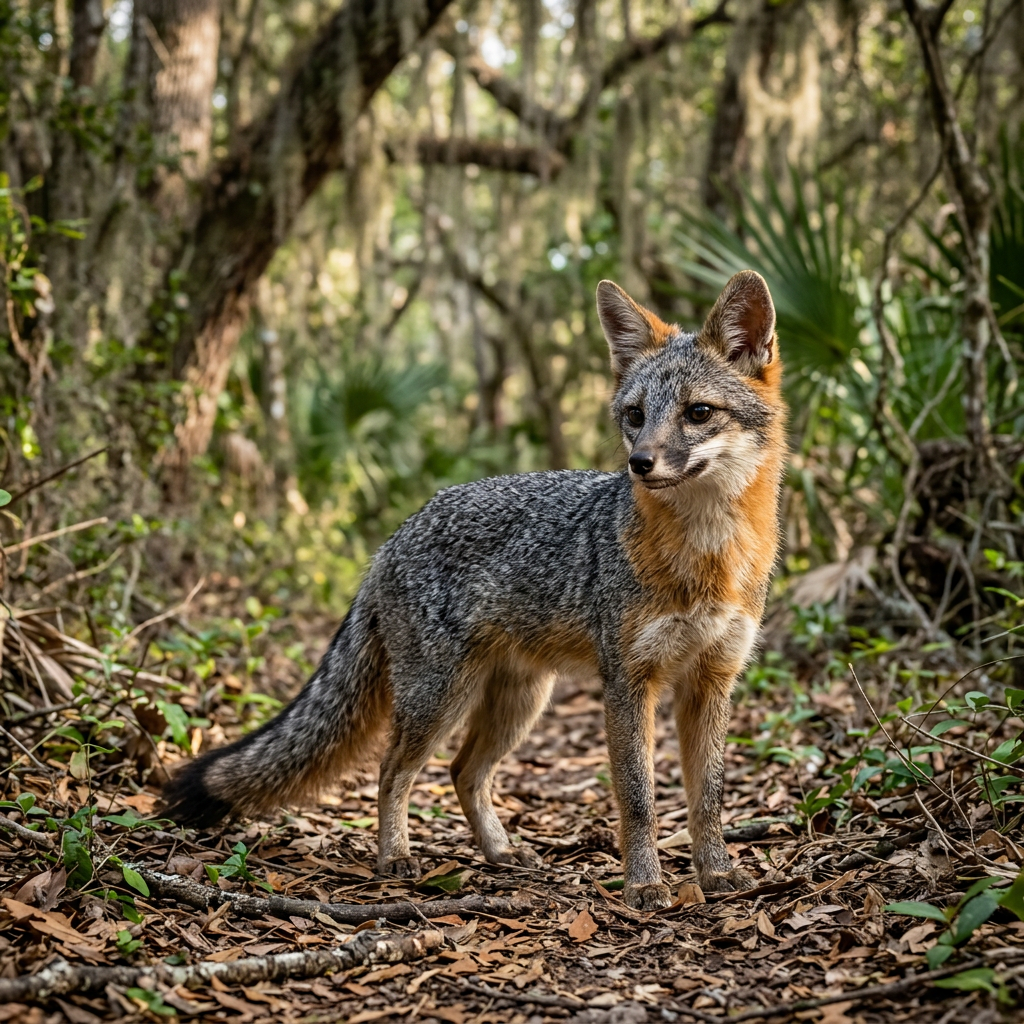
Whitetail deer and wild turkey are the most reliable — sunrise and sunset, out in the prairie openings. Bobcats and gray fox patrol the levee edges. Otters slide down the banks where the water meets the grass. Coyotes you'll hear before you see. Black bears pass through; Florida panthers are rare and almost mythic, but the tracks are real. The gopher tortoise digs the burrows that hold the whole upland ecosystem together.

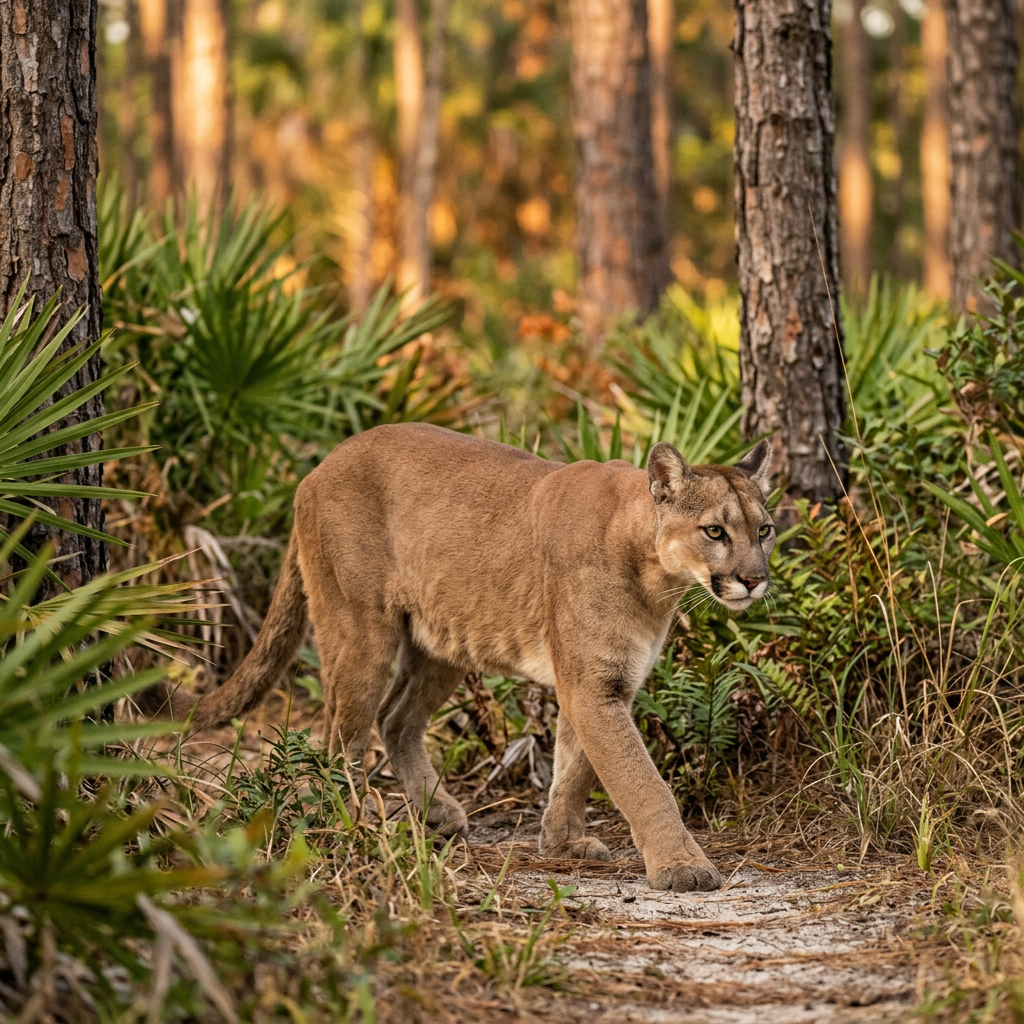
Florida Panther

Florida Panther

Rare and shy. A track in the mud is a gift.

Black Bear

Black Bear

They pass through. Give them room.

Bobcat

Bobcat

Dawn and dusk along the levee edges.

Coyote

Coyote

Heard more than seen. Howls at the moon.

Gray Fox

Gray Fox

Yes, they climb trees.

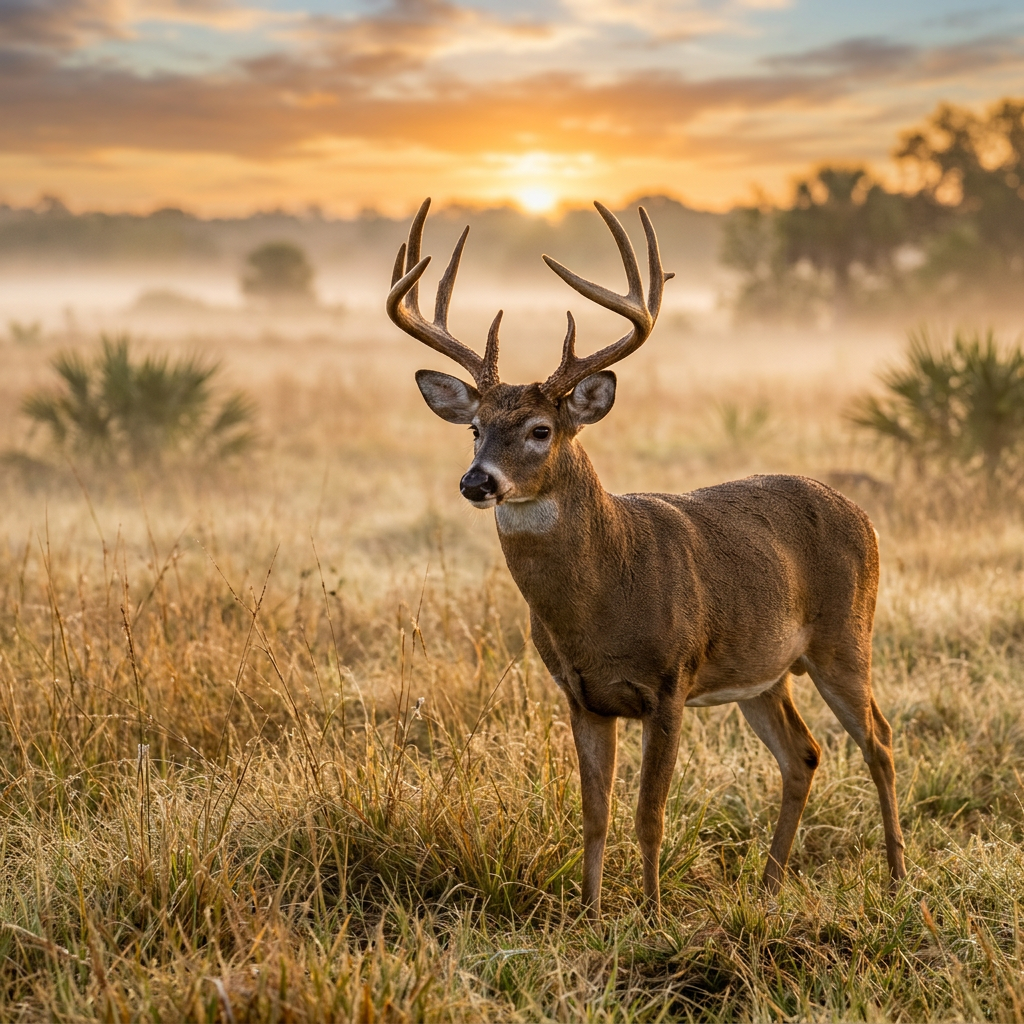
Whitetail Deer

Whitetail Deer

Sunrise grazers in the open prairie.

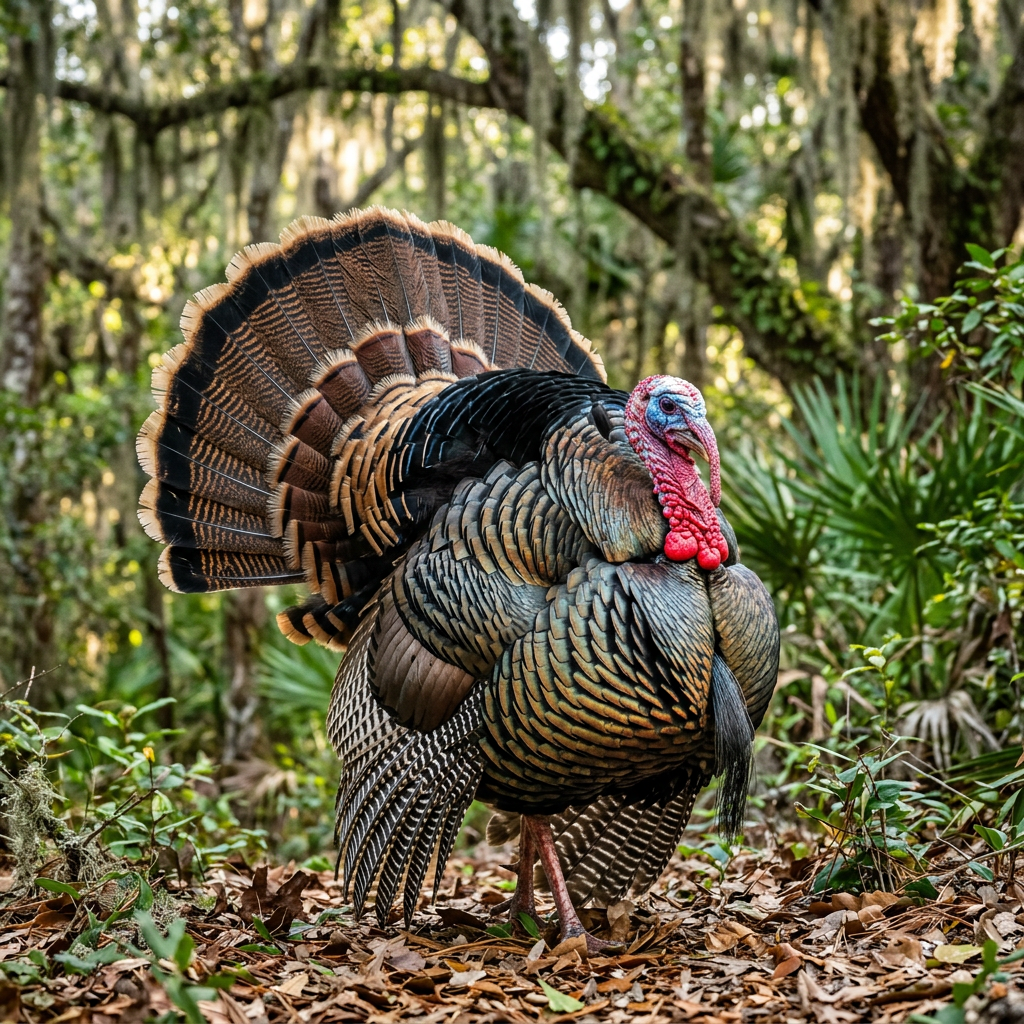
Wild Turkey

Wild Turkey

A whole tom in full strut will stop you cold.

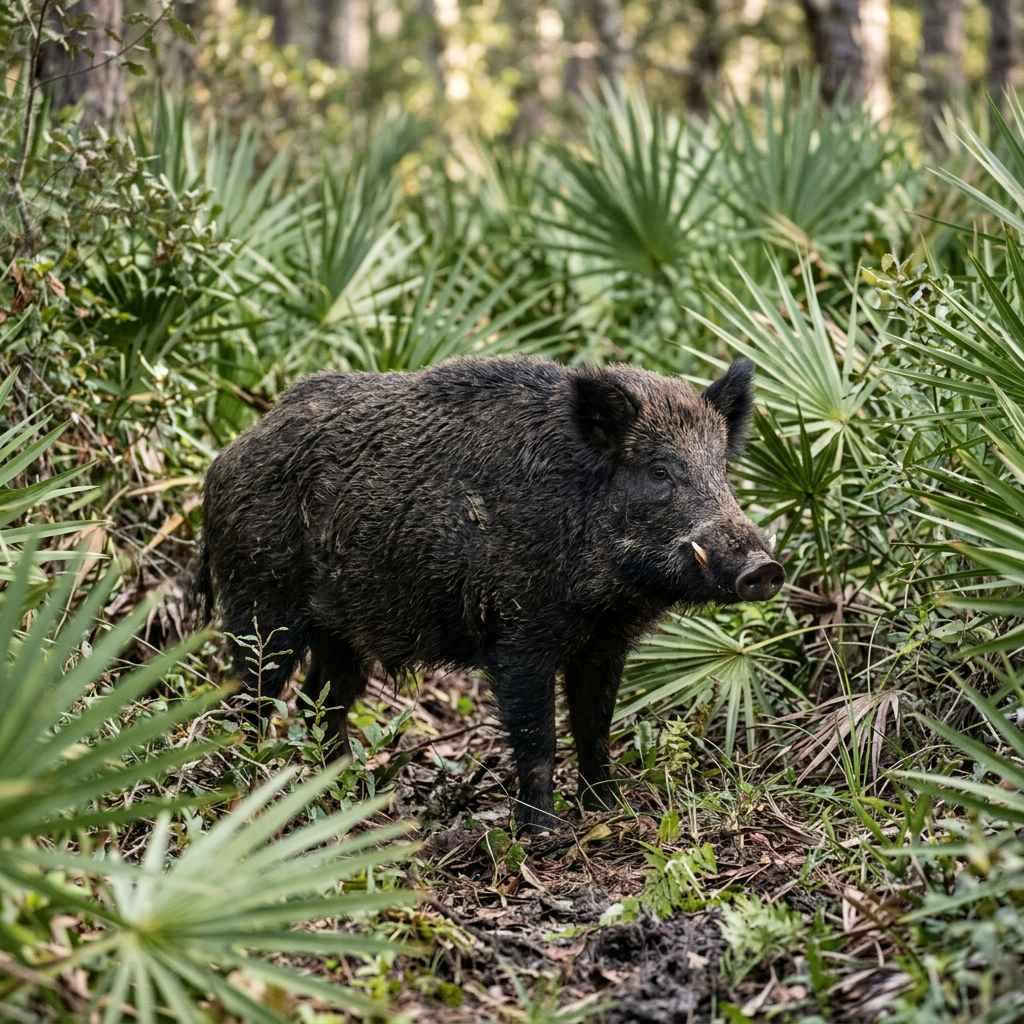
Wild Boar

Wild Boar

Tough, fast, and unbothered. Don't crowd them.

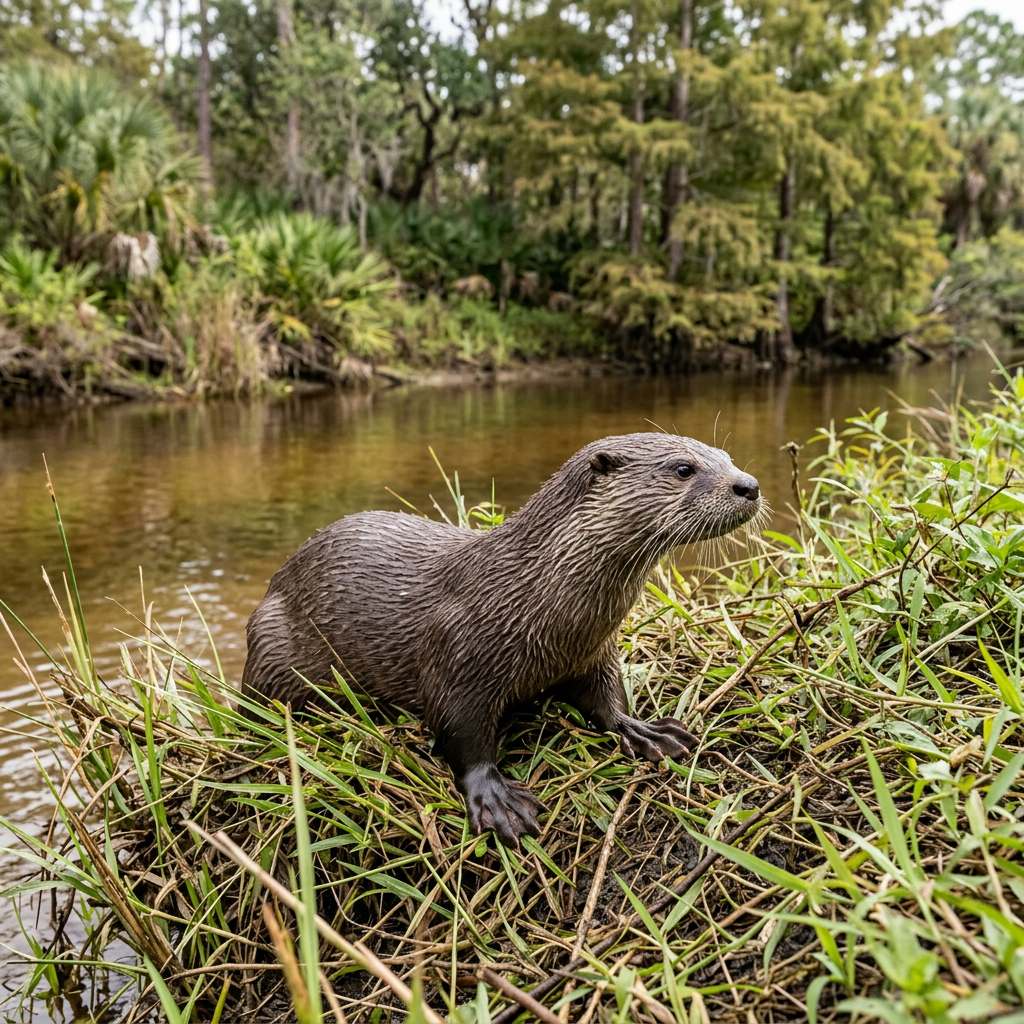
River Otter

River Otter

Look for slides on the bank.

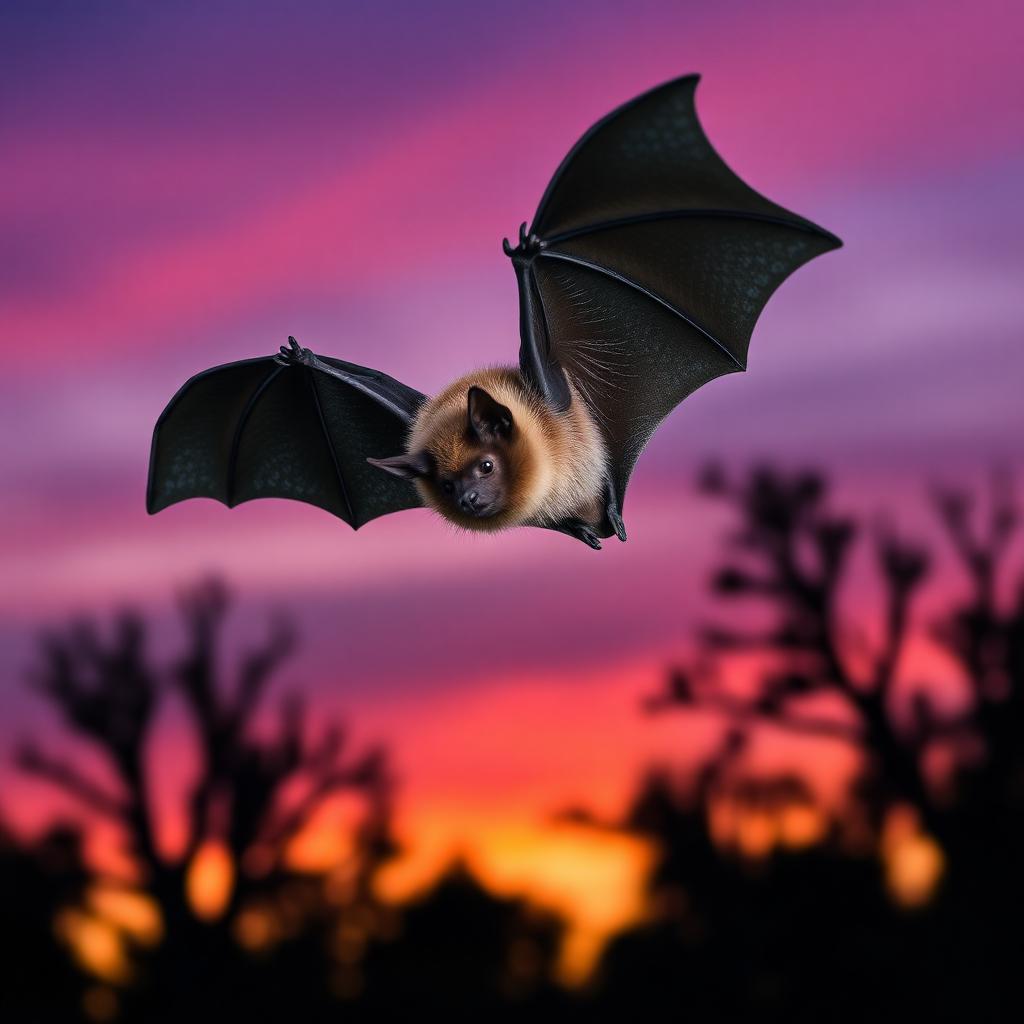
Florida Bonneted Bat

Florida Bonneted Bat

Federally endangered. Hunts insects above the cypress at dusk.

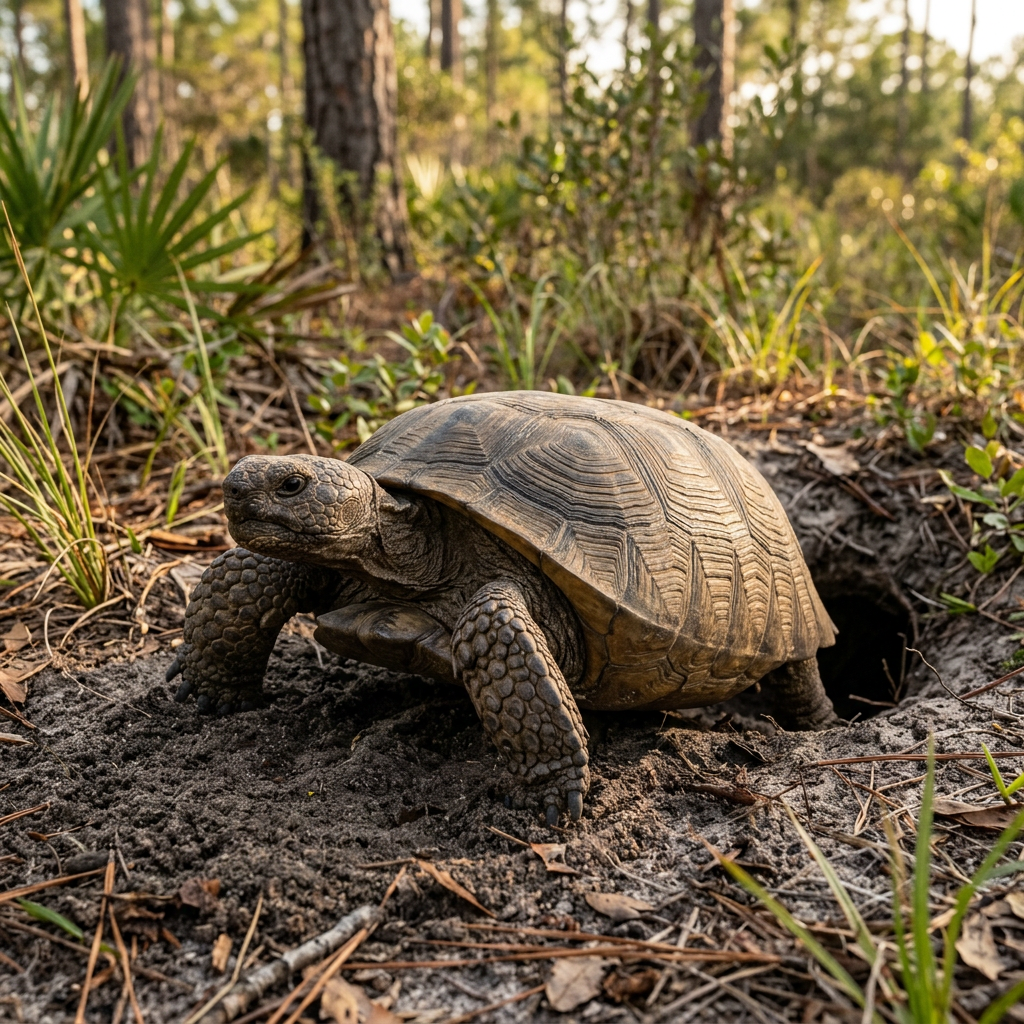
Gopher Tortoise

Gopher Tortoise

Keystone species. Their burrows house 350+ others.

Stop 05 · At the water

Gators, snakes, and what lives below

Assume the water is occupied. It always is.

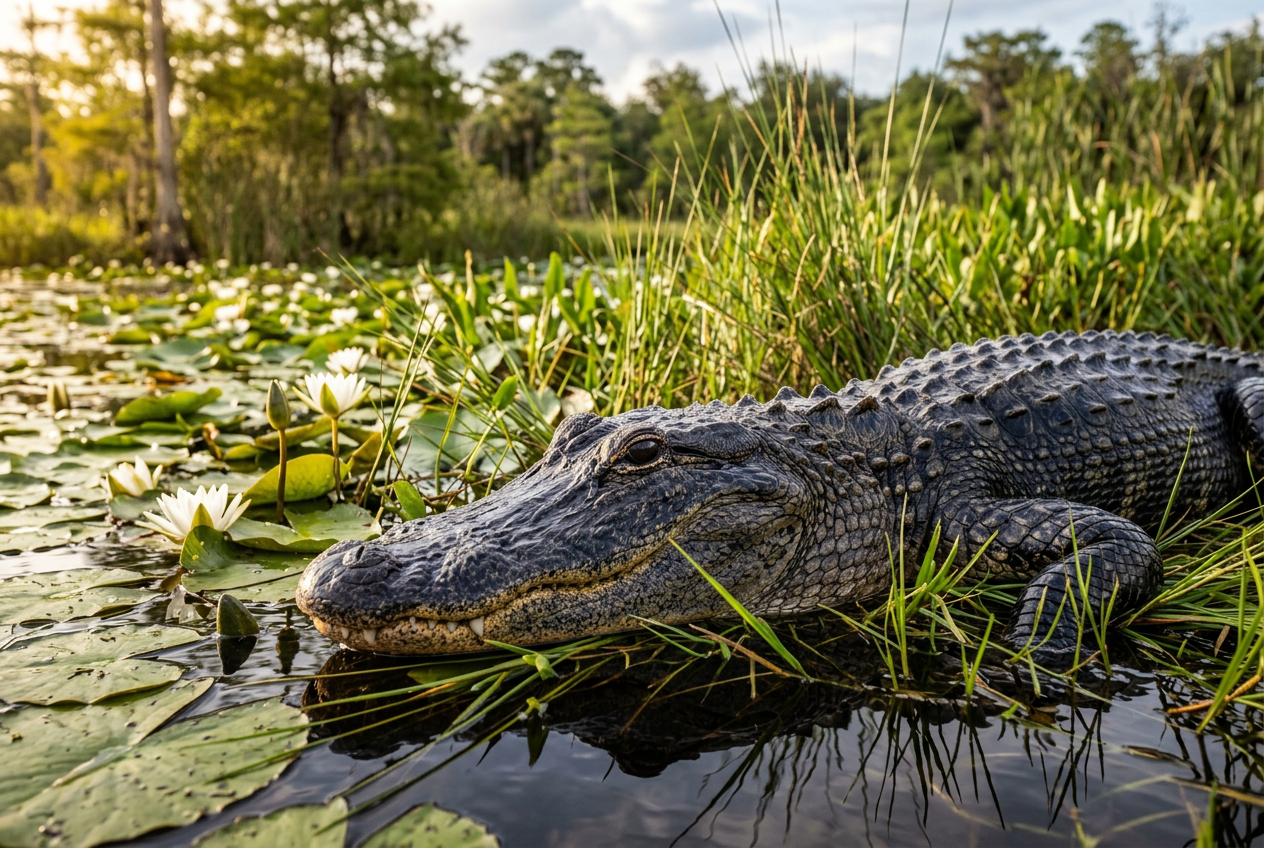
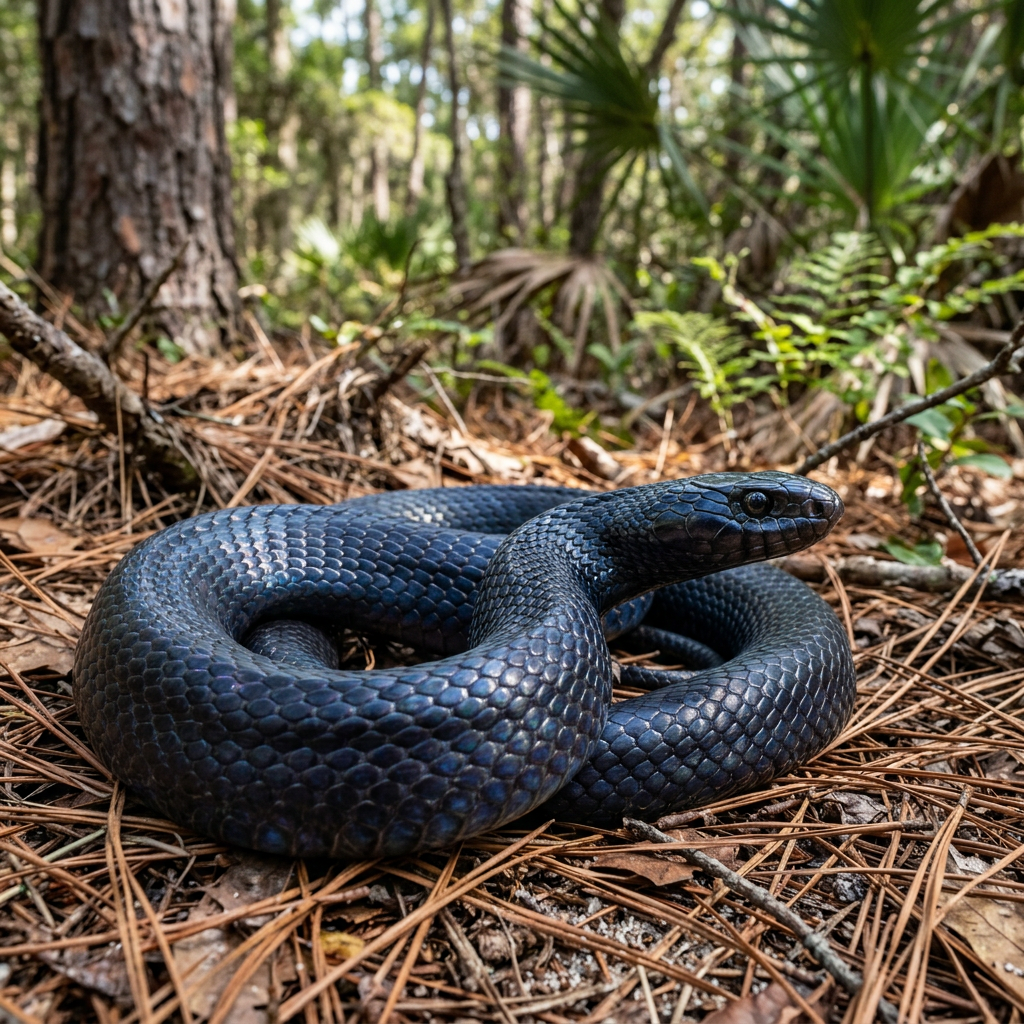
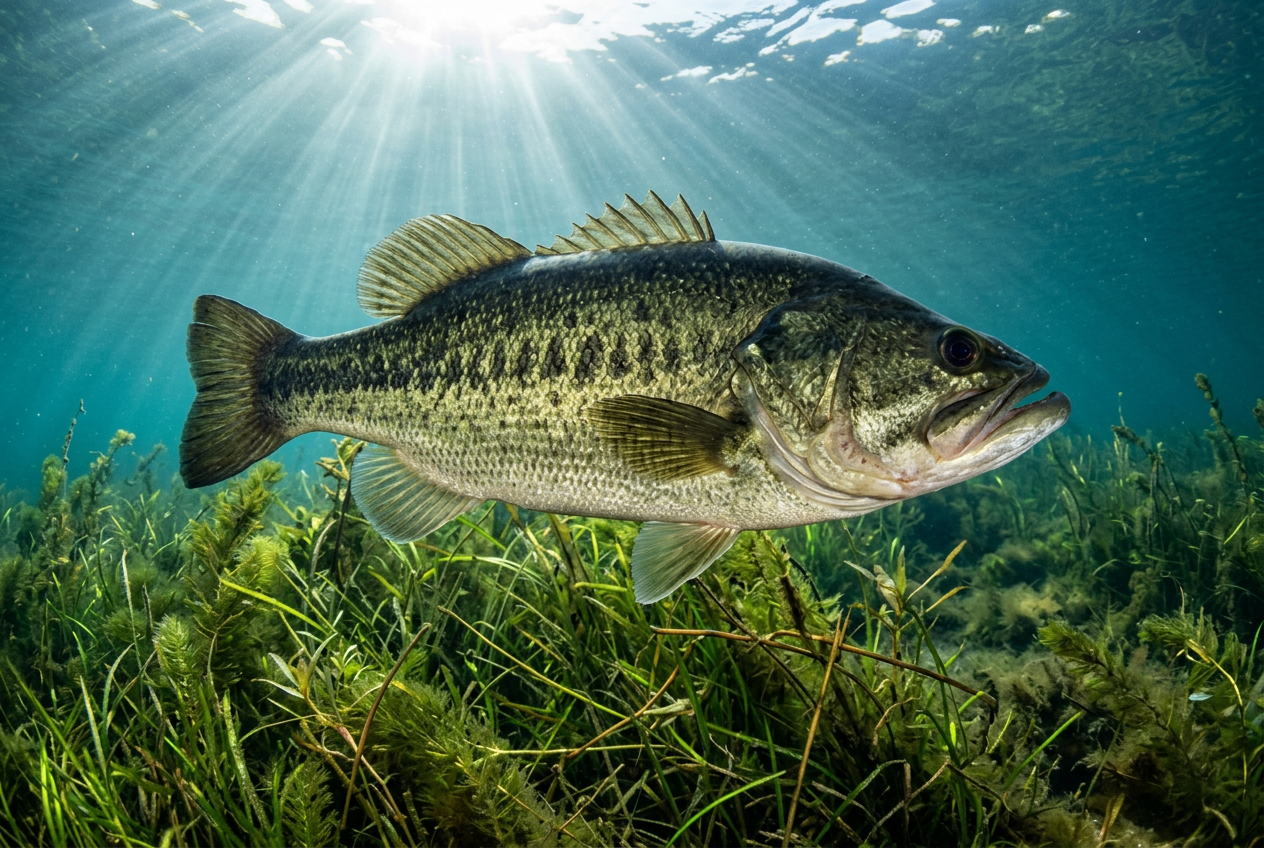
There is an alligator in every pond, every canal, every borrow pit — assume it and respect the edge, especially with dogs and small kids. Water snakes are common and mostly harmless, but wear boots and watch your step. Beneath the surface, the reservoir is a freshwater fishery — largemouth bass, bluegill, bream, and gar work the submerged grass.

American Alligator

American Alligator

In every pond. Assume it. Respect the edge.

Water Snake

Water Snake

Mostly harmless. Wear boots, watch your step.

Largemouth Bass & Bream

Largemouth Bass & Bream

The reservoir is alive underneath, too.

End of the walk

This is the backyard most communities only dream of having.

Protect it. Use it. Bring your kids. Bring a camera. Leave only footprints.

Practical

Before you go

Who Can Access

Access is limited to Montura Ranches residents and their guests. This is not a public park. Bring your resident ID and be ready to show it at the gate. Gate hours and trailhead details will be posted at the kiosk and shared through the coalition.

Trail Etiquette

Horses have right of way on shared trails — hikers, step off on the downhill side and speak so the horse knows you're human. Pack out all trash. Dogs on leash only, and only where posted. No fires. No camping. Close every gate you open.

Safety

Cell service is patchy. Tell someone your route and expected return. Bring more water than you think you need — summer heat and humidity are brutal. Watch the sky; afternoon thunderstorms come up fast. In an emergency, call 911 and give your nearest trailhead or gate number.

Coming soon: printable trail map, ride days, and group hikes organized through the coalition.