Hendry County · Montura Ranch Estates
The land we love is for sale.
Let's buy it back — together.
Over 200 acres of wild Montura are listed right now. We are neighbors pooling small pledges into a community land trust to keep this place wild — before developers do.
A neighbors' manifesto
“Wild Montura is not an accident of geography.
It is a choice we make, generation after generation.”
Developers see square footage. We see panthers crossing at dusk, the slow recharge of the Floridan aquifer beneath our wells, and the kind of quiet you can only buy one acre at a time. This is the first time neighbors here have organized to do something about it — together.
How it works
Four steps. Zero risk until we hit the goal.
- 01
Pledge
Tell us how much you would give if we hit the goal. Nothing is charged today.
- 02
Form the trust
Neighbors form a 501(c)(3) community land trust. Transparent, member-run.
- 03
Federal match
USDA and conservation grants can match neighbor pledges 1:1 or better.
- 04
Buy the land
We close on the parcels, place a permanent conservation easement, done.
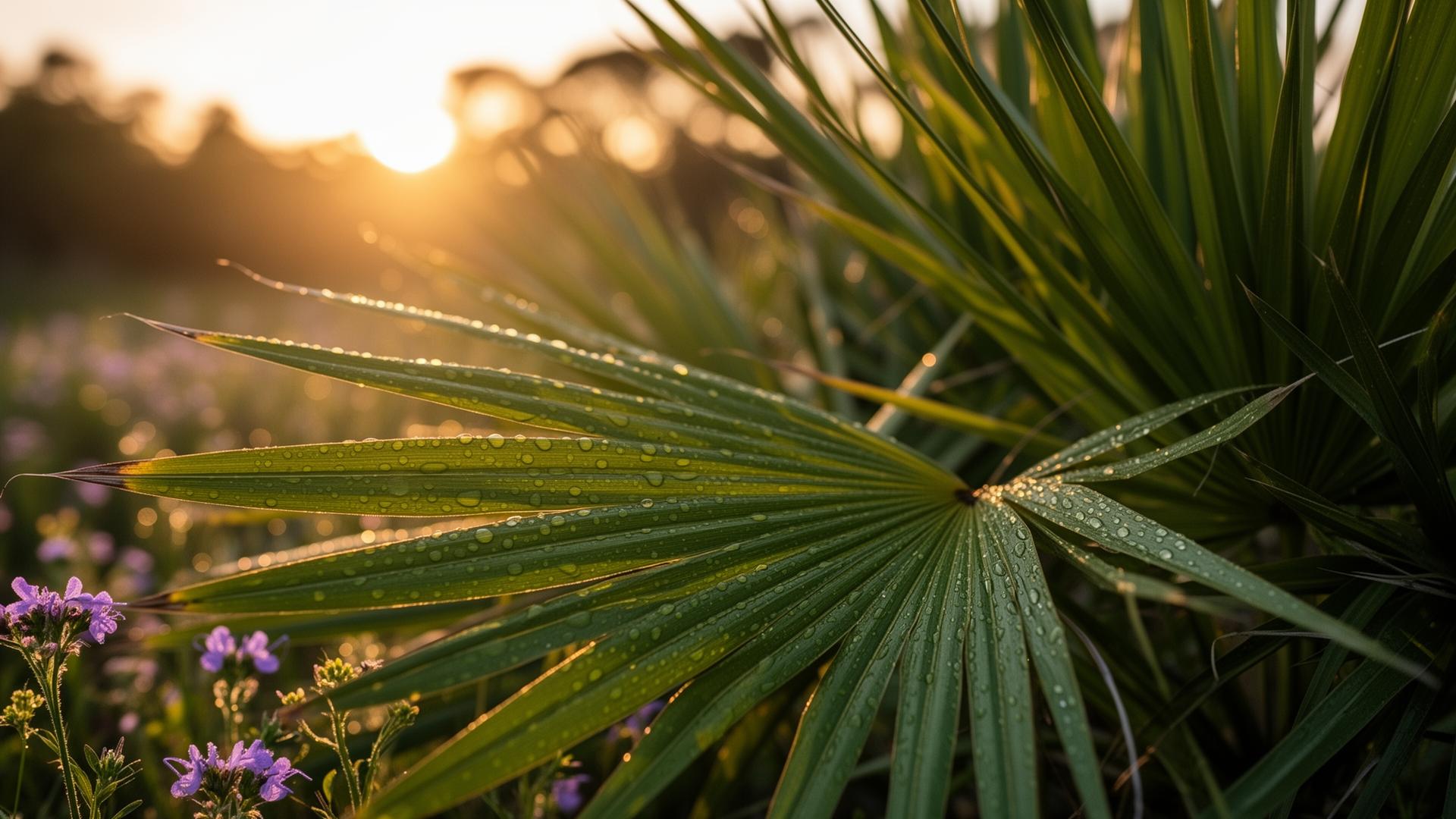
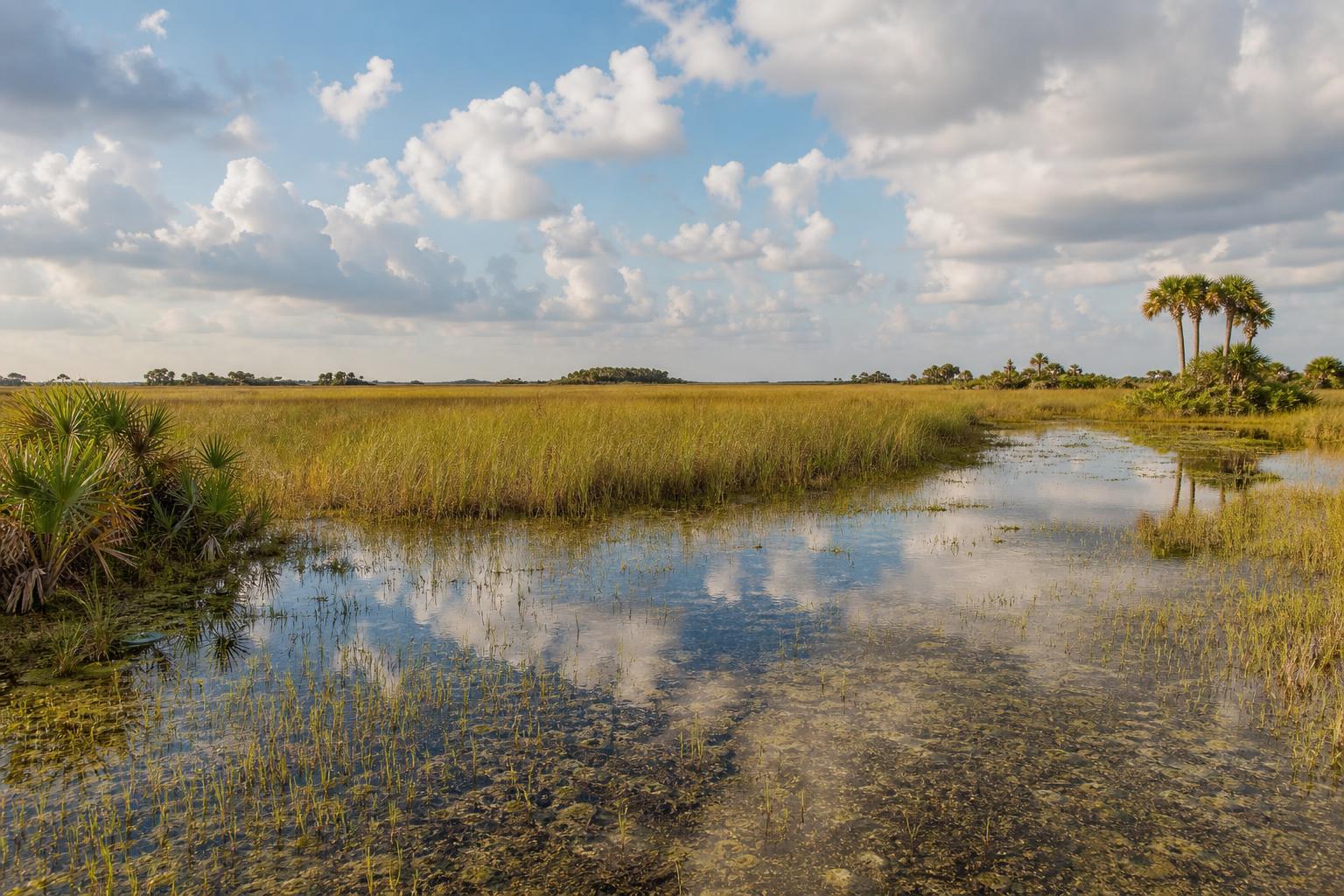
Palmetto prairie. Cypress hammocks. The Floridian panther's last quiet corridor. The aquifer that fills every well on your road. All of it, right here.
Questions, answered
The honest details.
Who actually owns the land?
A neighbor-run 501(c)(3) community land trust. Every founding pledger is a member. Decisions are transparent and on the record.
What if we fall short of the goal?
Nothing is charged. Pledges are commitments contingent on hitting the full purchase target — including federal match. If we don't hit it, your card is never run.
Is my pledge tax deductible?
Once the trust receives its 501(c)(3) determination, pledges paid into it are tax-deductible to the extent allowed by law. We'll send a receipt.
What happens to the land after we buy it?
It is permanently protected through a conservation easement. It stays natural habitat — wildlife corridor, trails, prairie. The community decides the details together.
Why start with just 50 acres?
50 contiguous acres is enough to qualify for federal USDA conservation programs and has real ecological value. It's a realistic first goal that proves the model — then we go bigger.
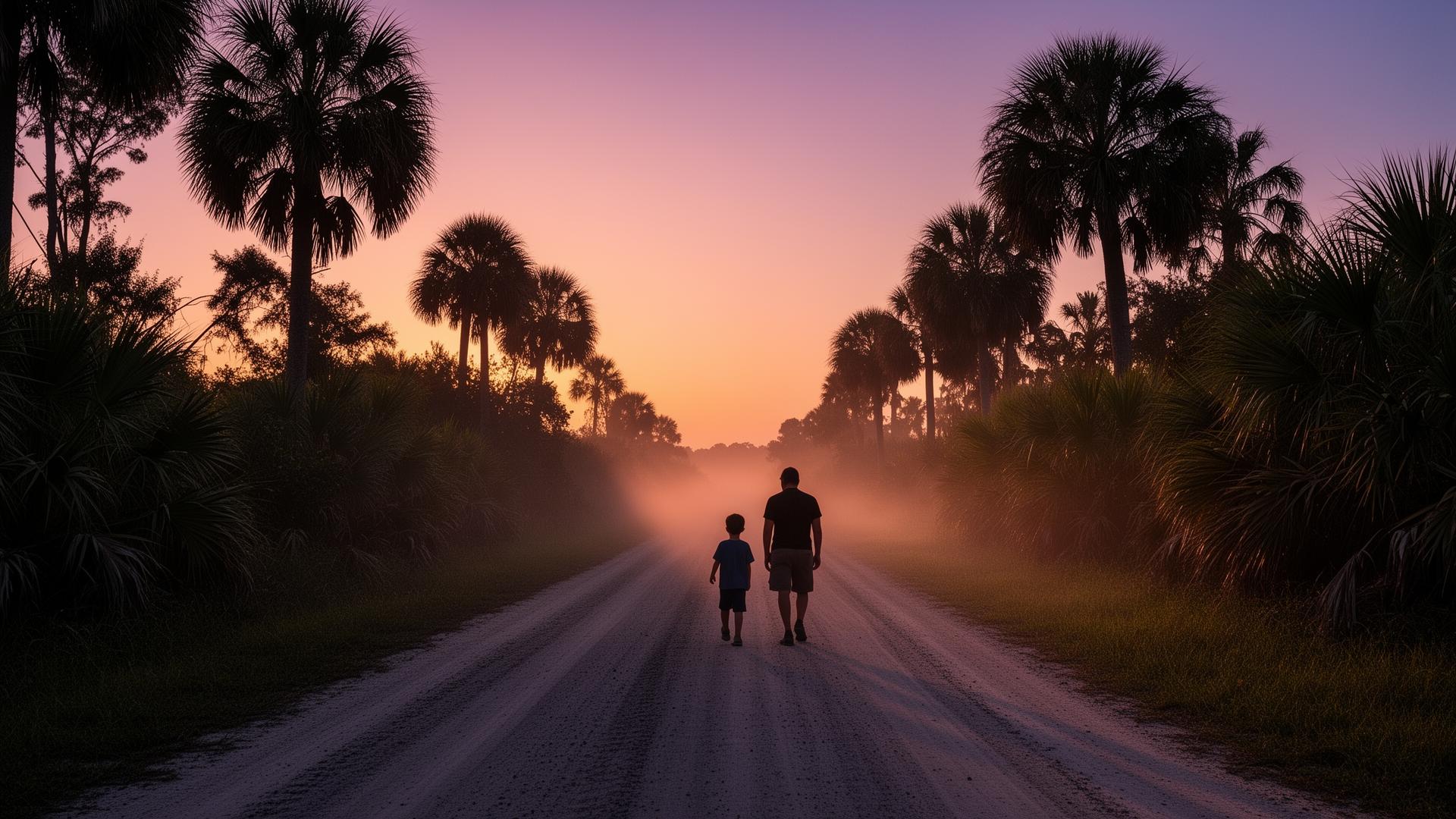
For our kids. For the panthers.
For the water under our feet.
Make your pledgePart of a national movement