New Resident
Pest Control
Fire ants, termites, mosquitoes, spiders, snakes, alligators, raccoons, and marsh rats — what we have here and how to handle it.
Rural South Florida wildlife is part of life in Montura. Most of what you'll meet is harmless if you know what it is. Each section below links to the authoritative South Florida identification and control guide for that species.
Fire Ants
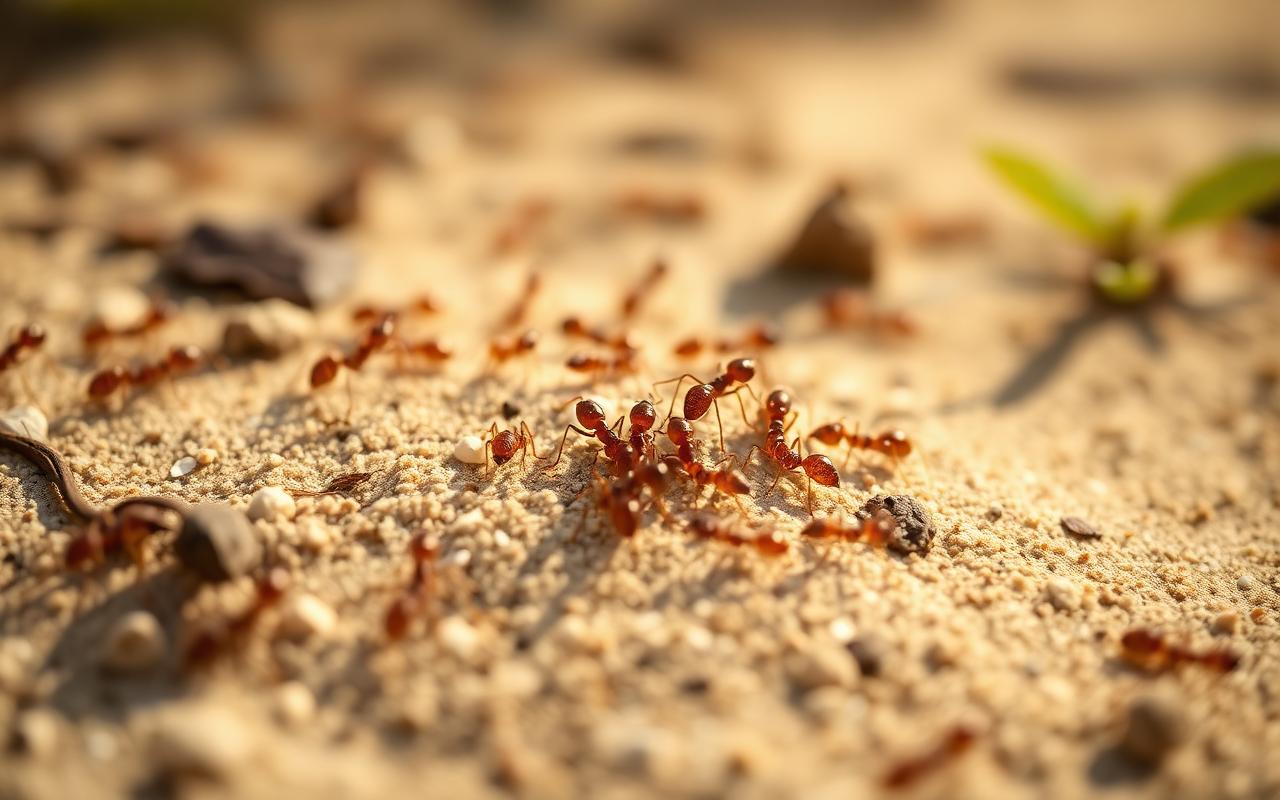
Imported red fire ants build loose, dome-shaped mounds in sun-exposed sandy soil all over Montura. Stings burn and leave white pustules. The 'two-step method' works best — broadcast bait across the whole yard 1–2 times a year, then treat individual mounds that pop up between treatments. Keep kids and pets clear of fresh mounds.
Termites
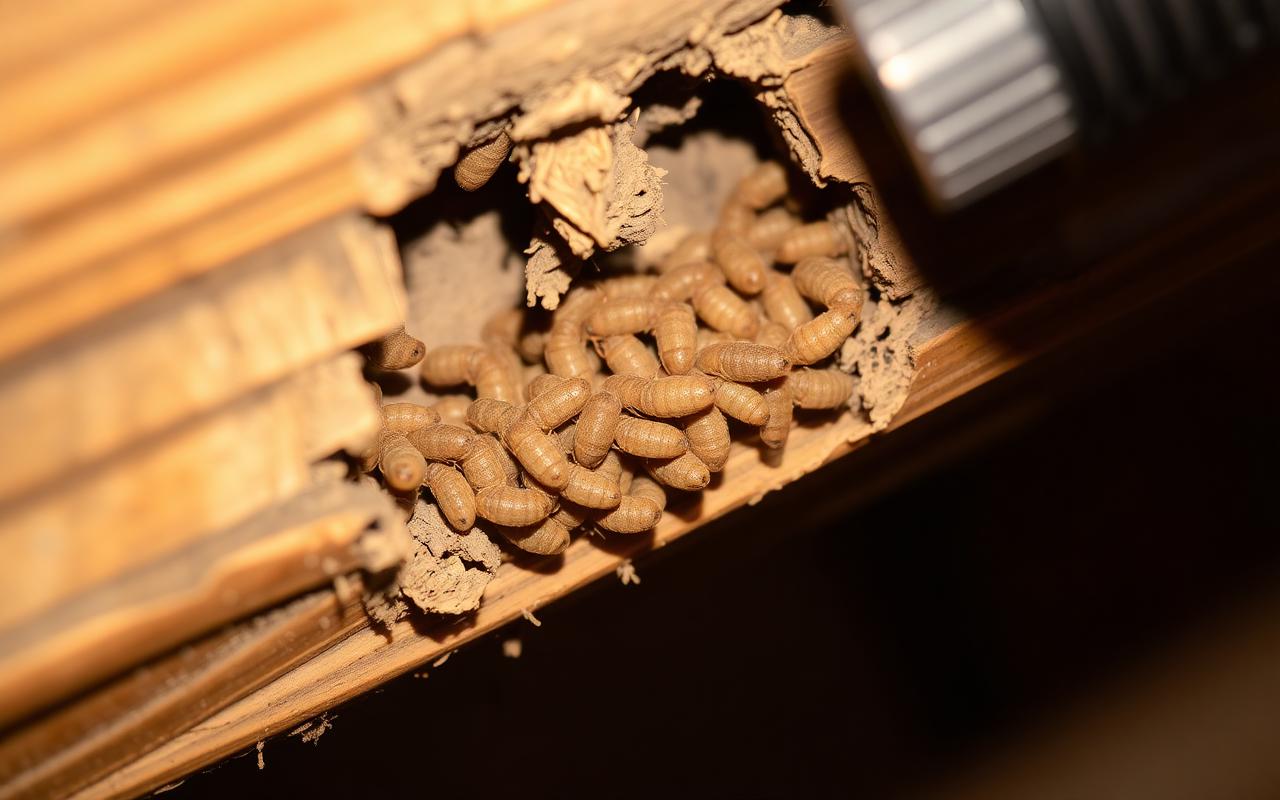
South Florida is ground zero for subterranean termites (native and Formosan) plus drywood termites. Look for mud tubes on block walls and piers, hollow-sounding wood, or piles of wing-shaped 'frass.' Get a licensed annual inspection — termite damage is not covered by homeowners insurance.
Mosquitoes
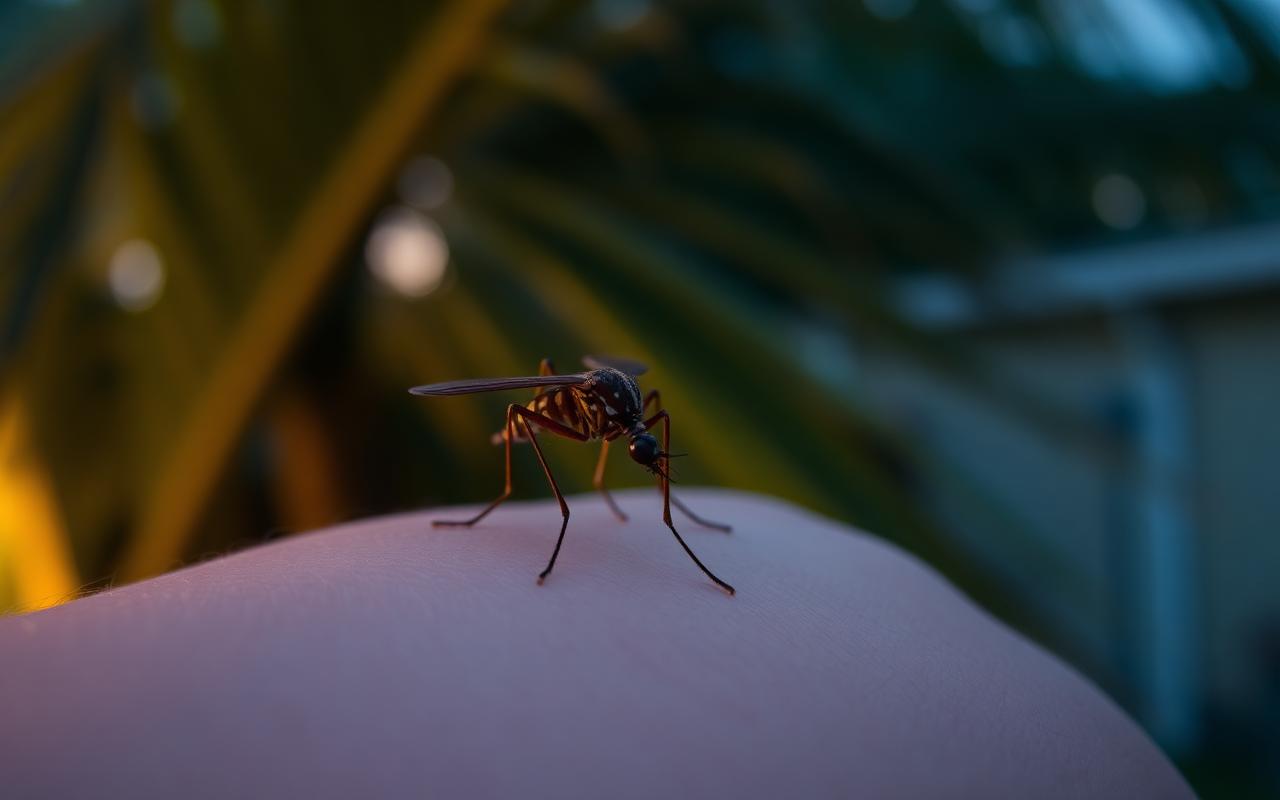
Mosquitoes carry West Nile, EEE, and occasionally Zika in Florida. Hendry County does not run a mosquito control program, so prevention is on you: dump anything that holds water (buckets, tires, plant saucers, tarps, clogged gutters) every few days, screen rain barrels, use mosquito dunks (Bti) in standing water you can't drain, and wear repellent at dawn and dusk. Thermacell units and yard foggers help around patios and coops.
Spiders
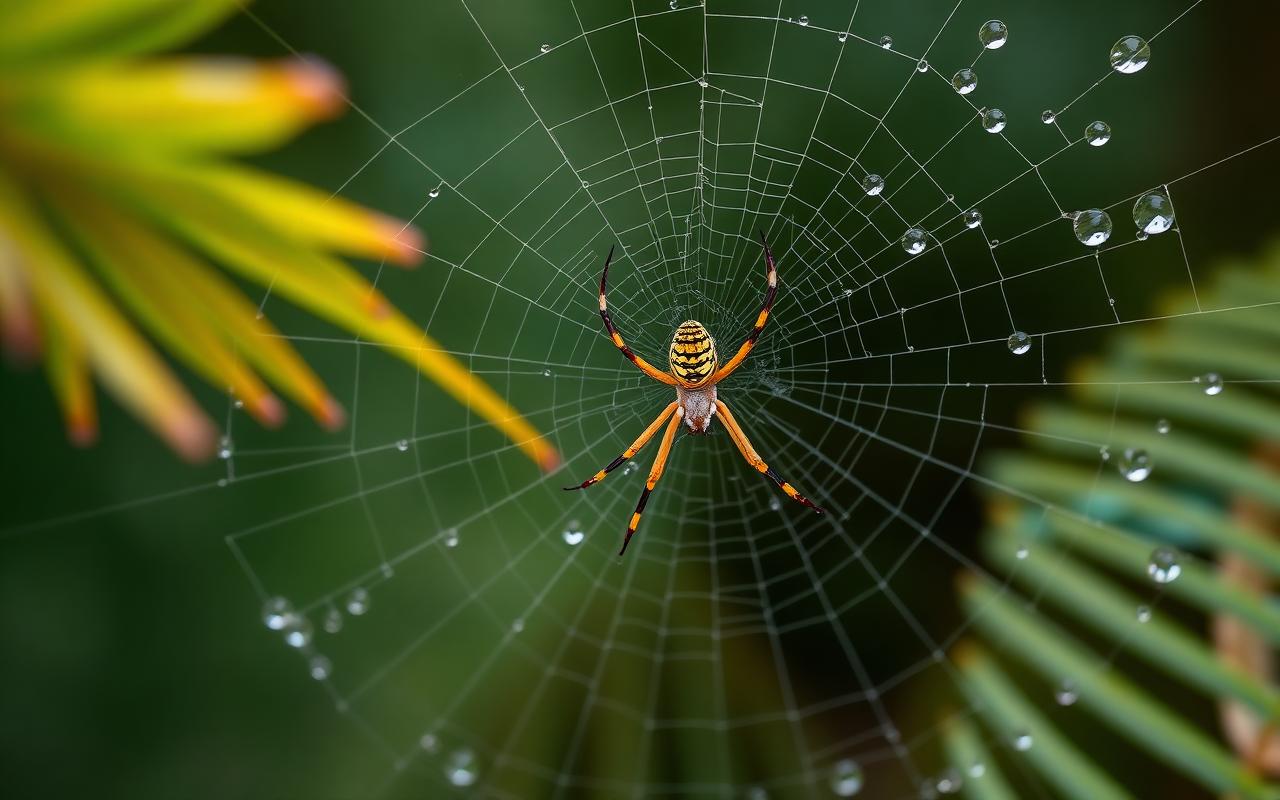
Most Florida spiders — golden silk orb weavers, banana spiders, wolf spiders, jumping spiders — are harmless and useful (they eat the bugs that bite you). The two medically significant species here are the Southern black widow and the brown recluse (rare). Free ID guides are available online so you can tell what's in your shed before you reach for a shoe.
Venomous Snakes
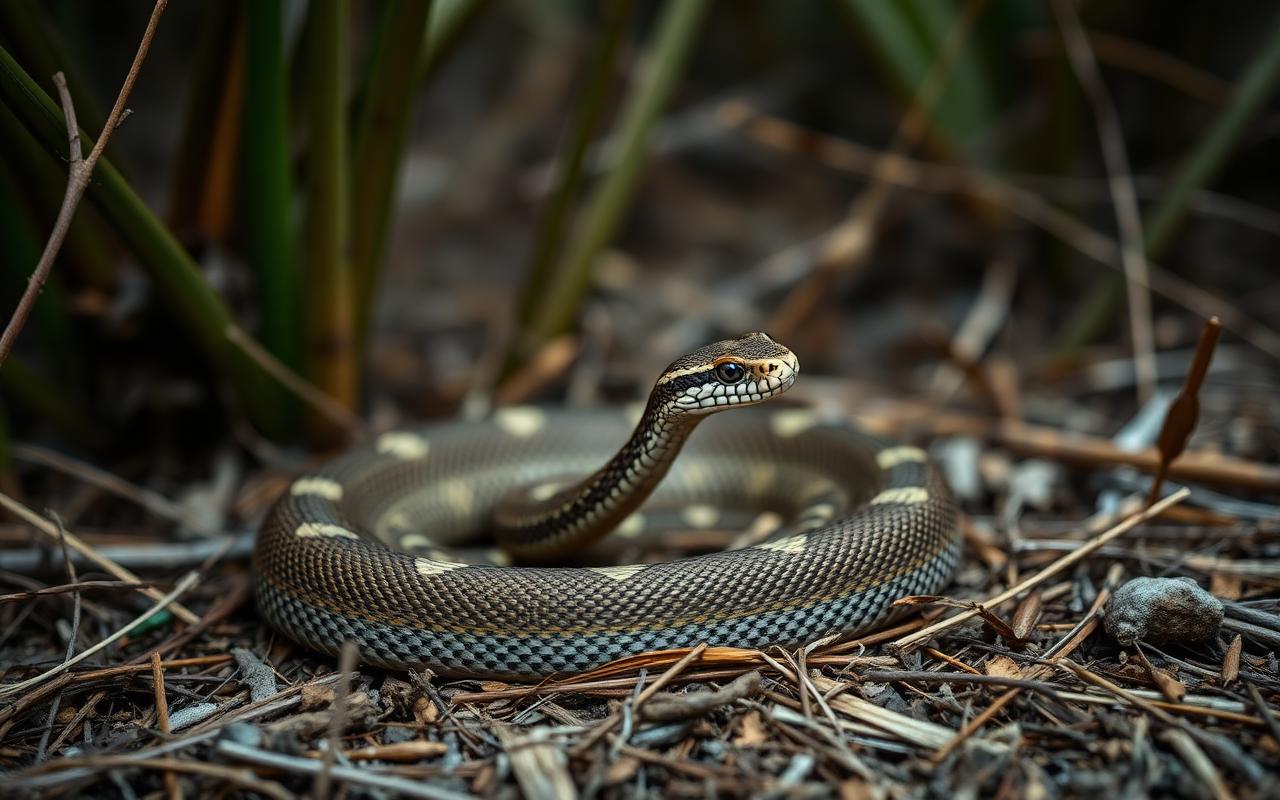
Florida has six venomous species; four are realistic in this part of the state: Eastern diamondback rattlesnake, dusky pygmy rattlesnake, cottonmouth (water moccasin), and Eastern coral snake. Most snakes you see in Montura are non-venomous and helpful. Learn ID first — FWC has free photos and behavior notes — and give any snake room to leave on its own. If someone is bitten by a venomous snake, call 911 for an ambulance and Florida Poison Control at 1-800-222-1222 (free, 24/7, staffed by toxicologists). Keep the bitten limb still and below heart level. Do NOT apply ice, a tourniquet, or try to suck out the venom.
Alligators
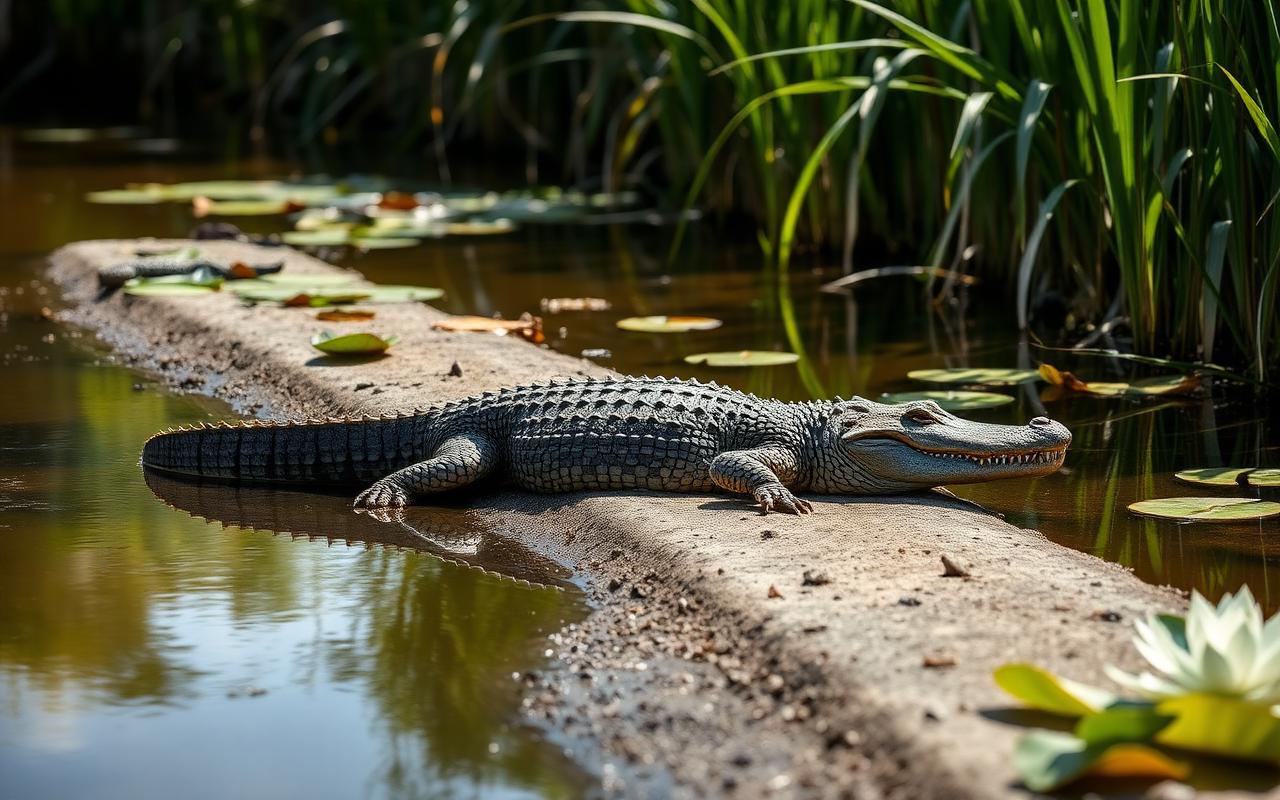
Gators live in every canal, pond, and wet ditch around Montura. Never feed them (it's a felony and it's what makes them dangerous), keep pets and small kids away from the water's edge, and assume any freshwater body could have one. If a gator is over 4 feet and is in a place it shouldn't be, call FWC's Nuisance Alligator Hotline: 866-FWC-GATOR (866-392-4286).
Raccoons
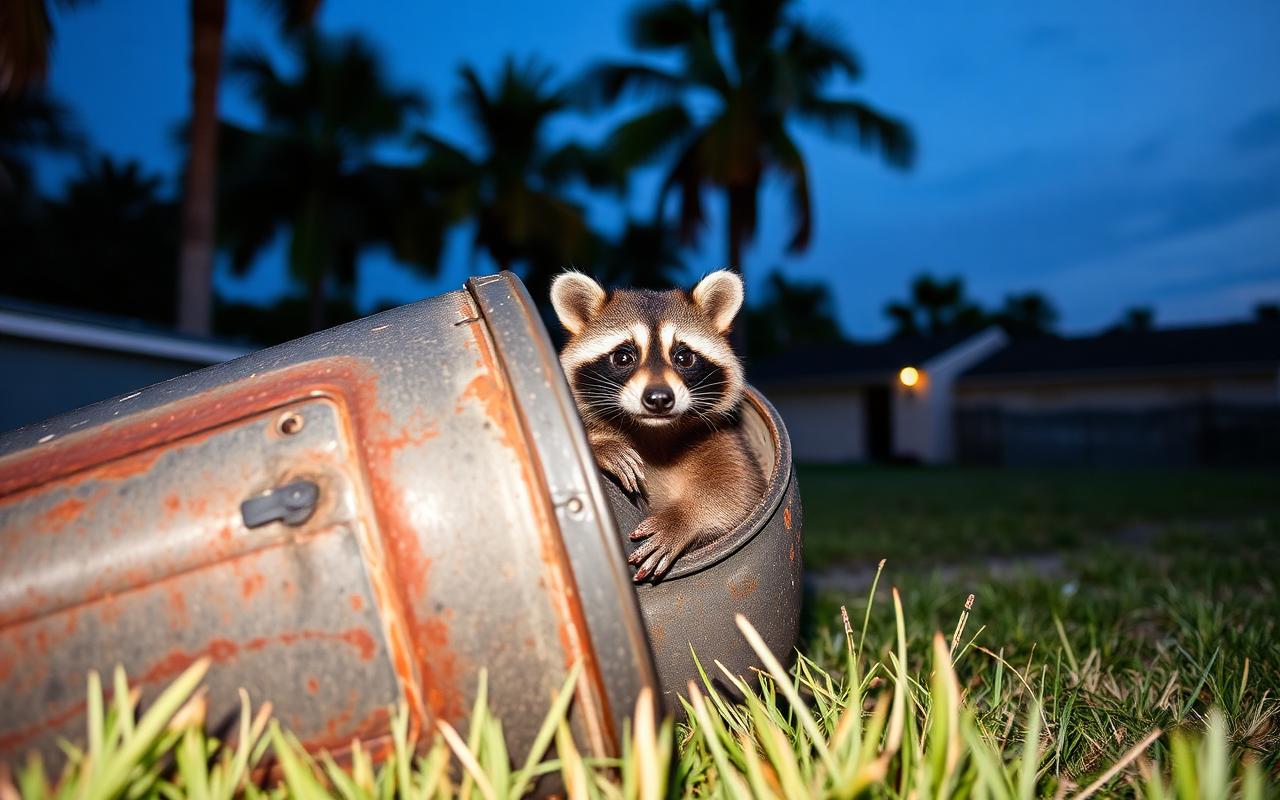
Raccoons get into trash, chicken coops, pet food, and attics. They can carry rabies and canine distemper. Use locking trash cans, feed pets indoors, and close off crawl-space and soffit gaps. Don't try to handle one — call a licensed nuisance wildlife trapper through FWC if one is denning on your property.
Marsh Rats & Roof Rats
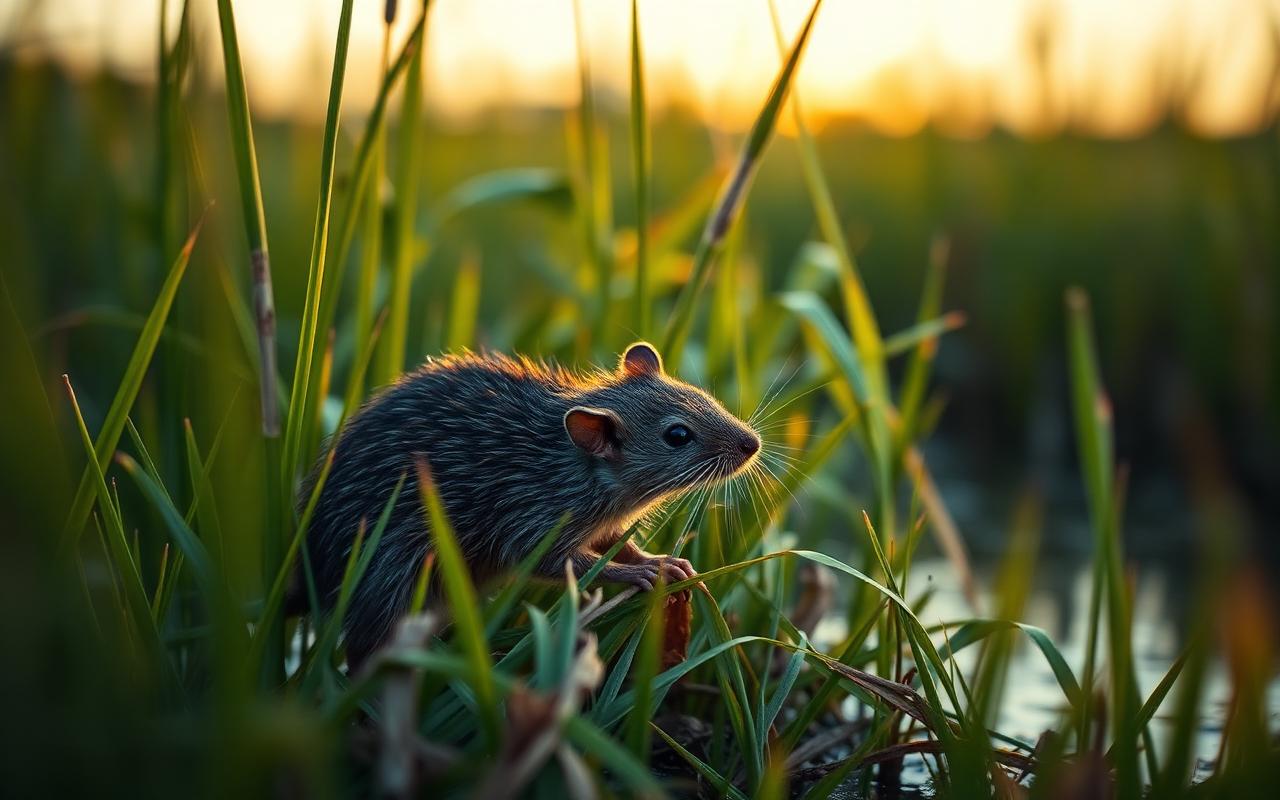
Marsh rice rats live in the canals and wet edges; roof rats and Norway rats move into sheds, attics, and feed rooms. Seal openings larger than a quarter, store chicken feed in metal cans with tight lids, cut vegetation back from the house, and use snap traps in protected stations. Avoid loose rodenticide — it poisons owls, hawks, and pets.
Helpful Links
- FWC — Florida's Venomous Snakes
Photos and ID notes for all six venomous species.
- Florida Poison Control — 1-800-222-1222
24/7 free hotline for snake bites, scorpion stings, spider bites, and any animal-related poisoning. Call first, then 911.
- Download: What Lives in Your Back Yard (PDF)
Free South Florida wildlife & pest field guide with emergency hotlines.
- FWC — Living with Alligators
- FWC Nuisance Alligator Hotline — 866-392-4286
- FWC — Raccoon Species Profile
Have information to add to this page? Email hello@monturacivic.com