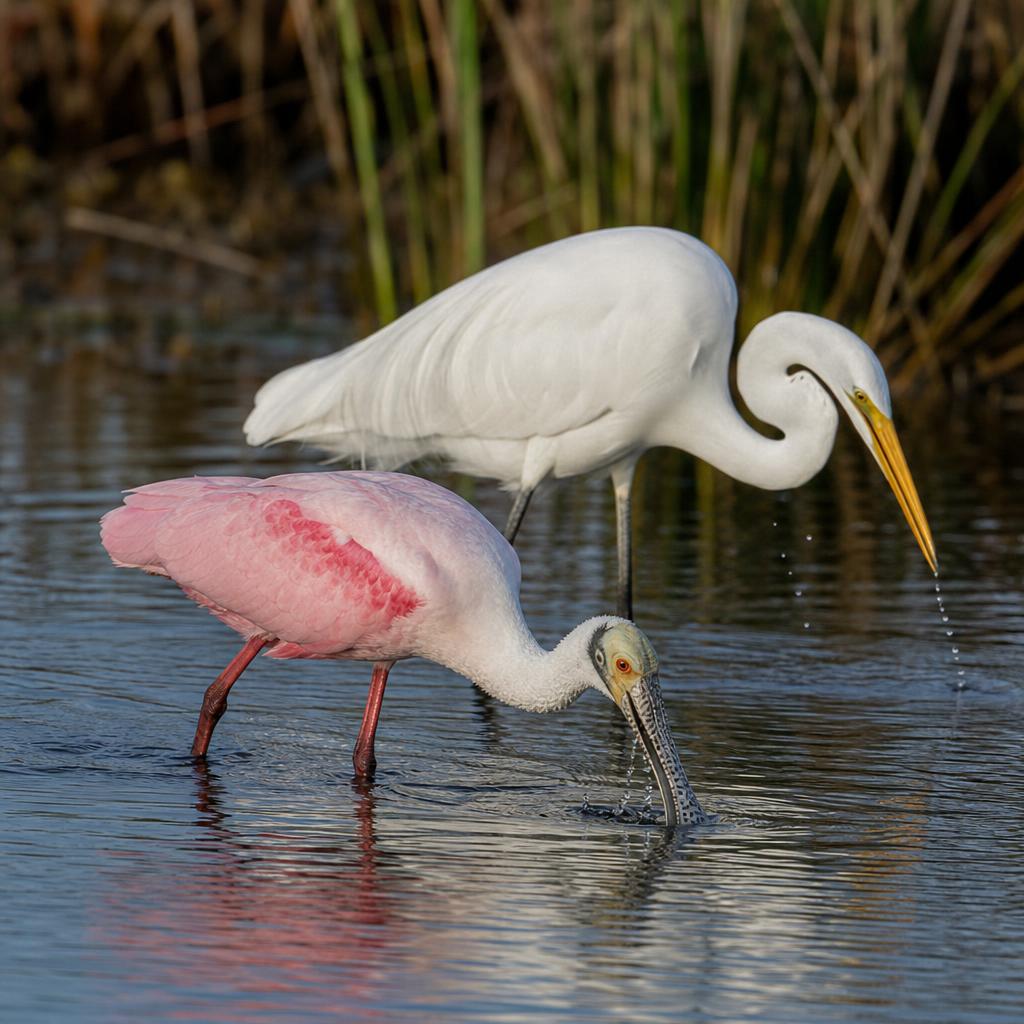
Wading Birds
The icons of the Everglades — long-legged hunters working the wet prairie at sunrise.
- •Great blue heron
- •Great egret
- •Snowy egret
- •White ibis
- •Roseate spoonbill
- •Wood stork (endangered)
- •Tricolored heron
- •Glossy ibis
Save Montura200 acres of wild Montura are for sale right now. Help us buy it back before developers do.Join the movement →
Our Platform
Montura sits at the edge of one of the richest wildlife landscapes in North America — the northern Everglades, Big Cypress, and the Florida Wildlife Corridor. The animals on this page are not in a brochure. They live in your back yard, your pasture, your canal. Protecting them starts with knowing what's here.
Working ranches and rural homesteads are the connective tissue of the Florida Wildlife Corridor. Subdivisions and industrial mines break that corridor. Every acre of pasture, wet prairie, and pine flatwoods we keep intact is habitat we keep alive.
Clean water, healthy soil, and dark night skies aren't just nice to have — they're the conditions panthers, wood storks, and gopher tortoises need to survive. The same fights that protect our wells protect our wildlife.
Field Guide
A short field guide to the species you'll actually see, hear, or cross paths with in and around Montura Ranch Estates.
The icons of the Everglades — long-legged hunters working the wet prairie at sunrise.
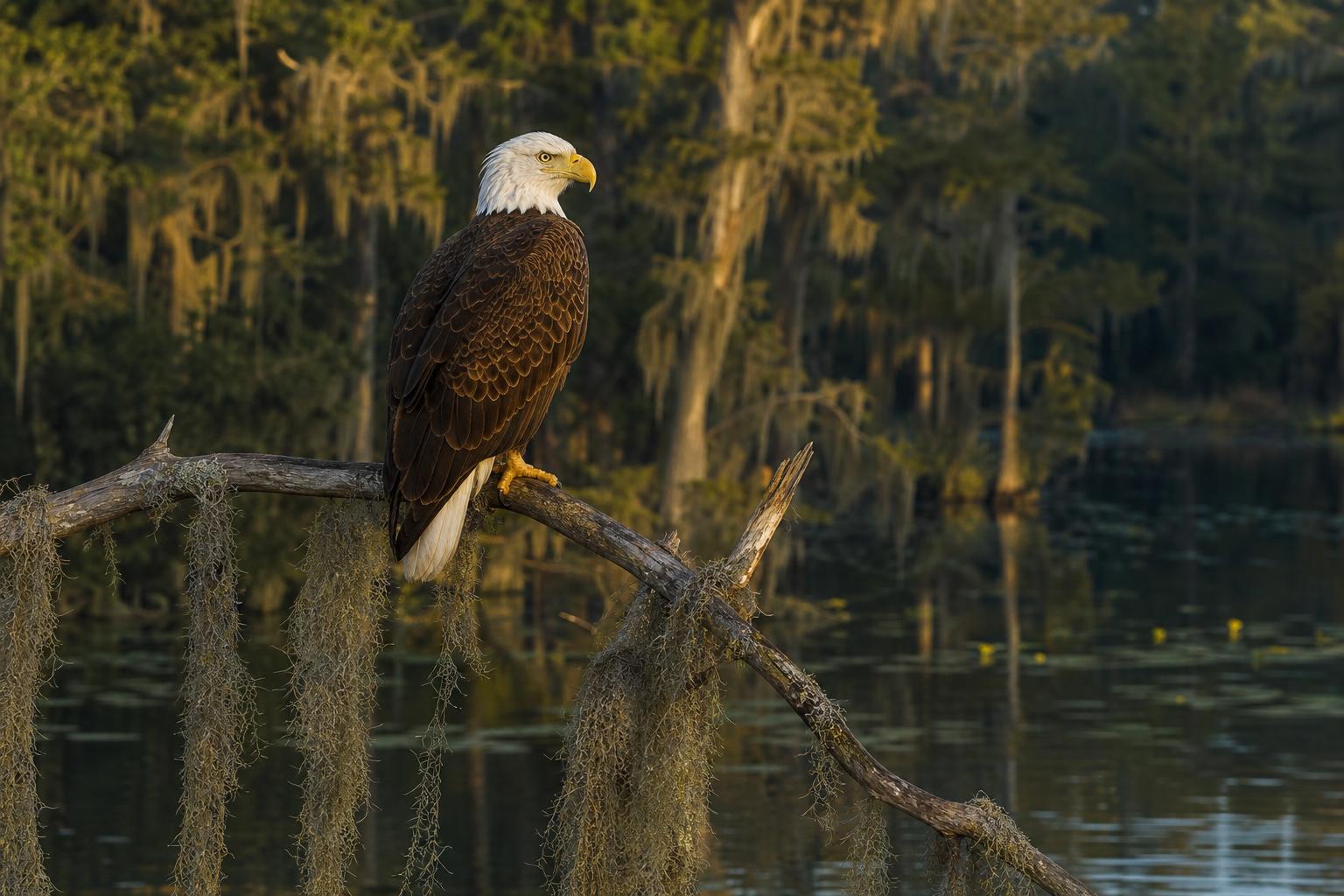
Hawks, eagles, and owls patrolling Montura's skies, pastures, and tree lines.
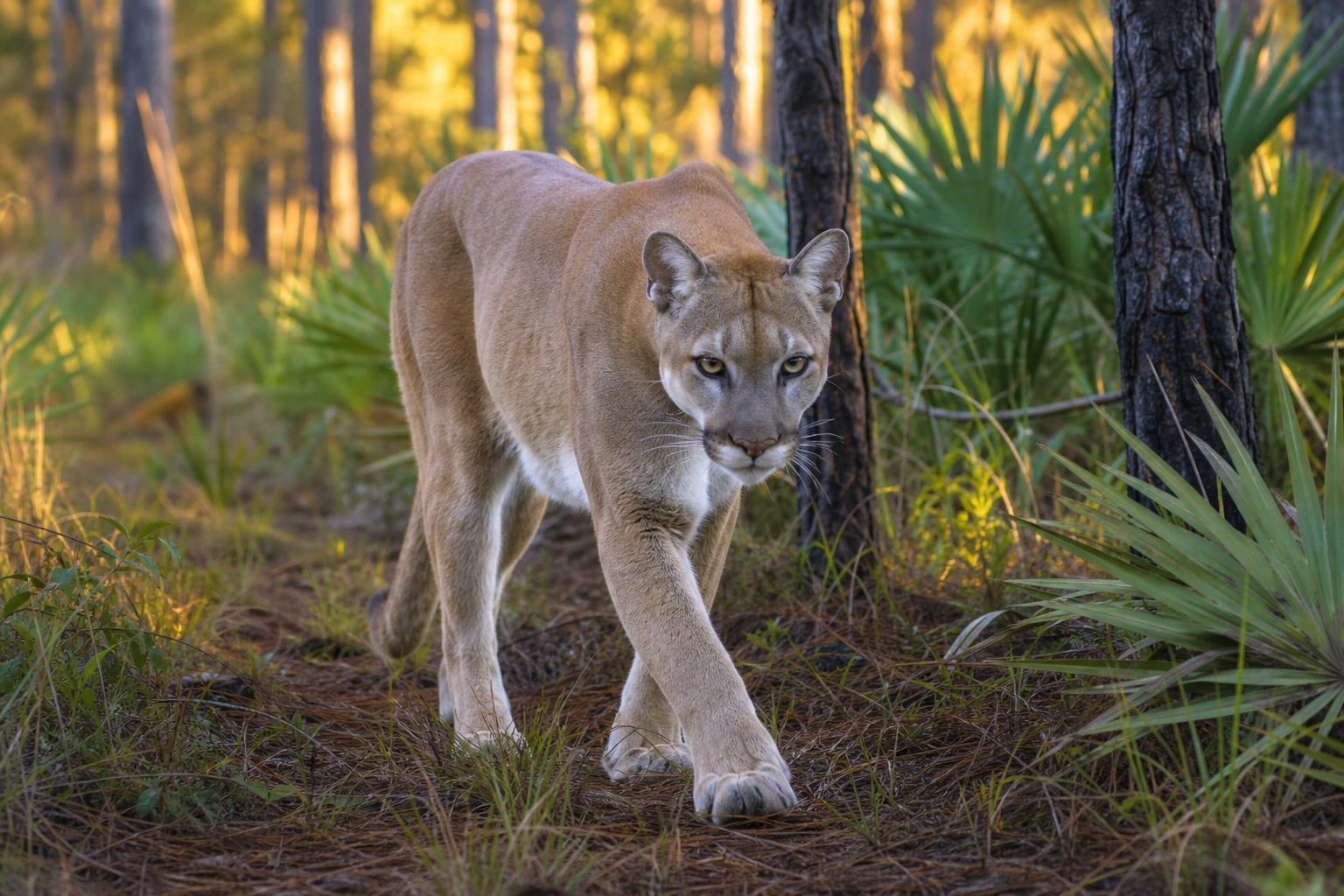
Montura sits inside the Florida Wildlife Corridor — the working land panthers and bears depend on.
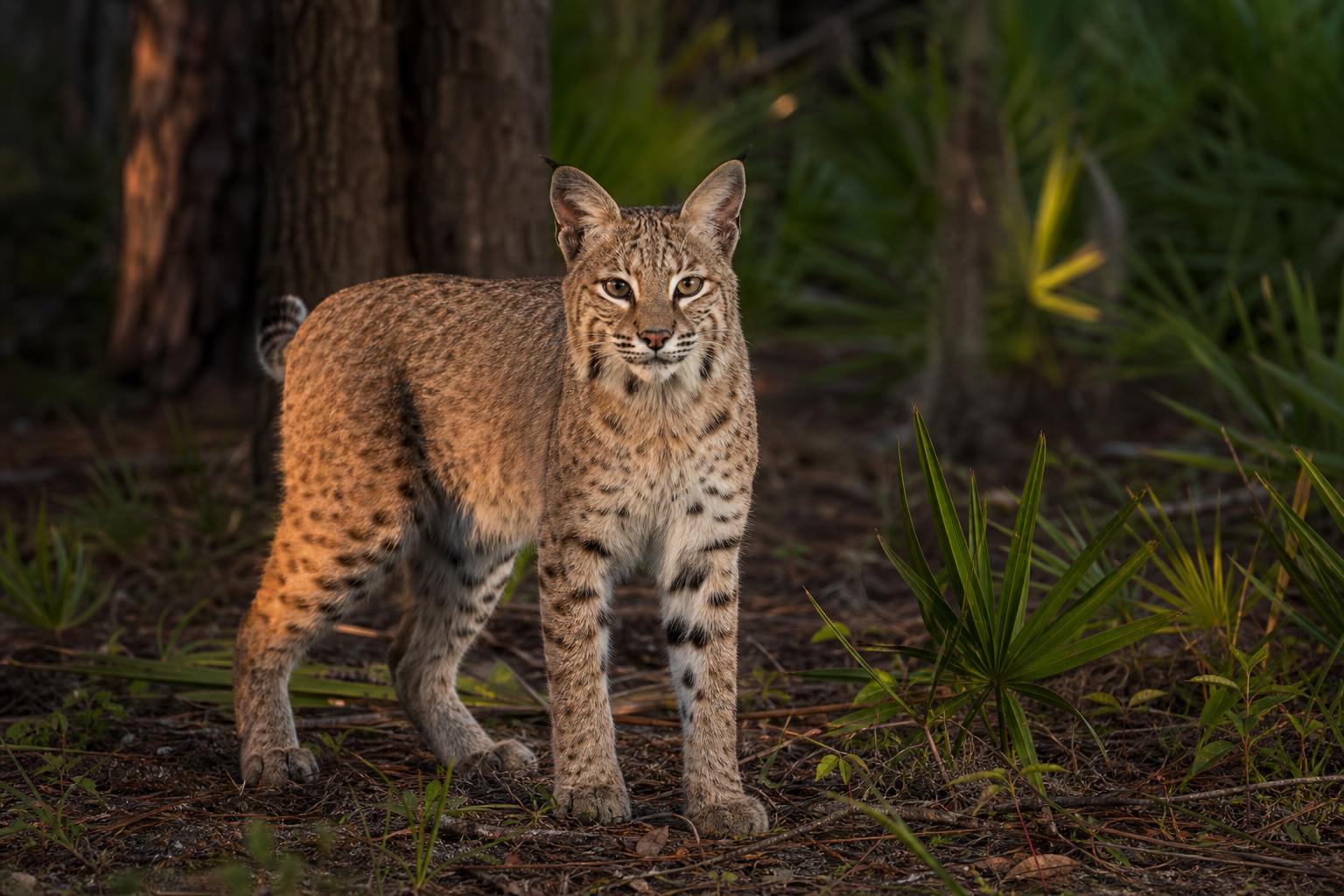
The quiet workforce of the pine flatwoods and palmetto scrub.
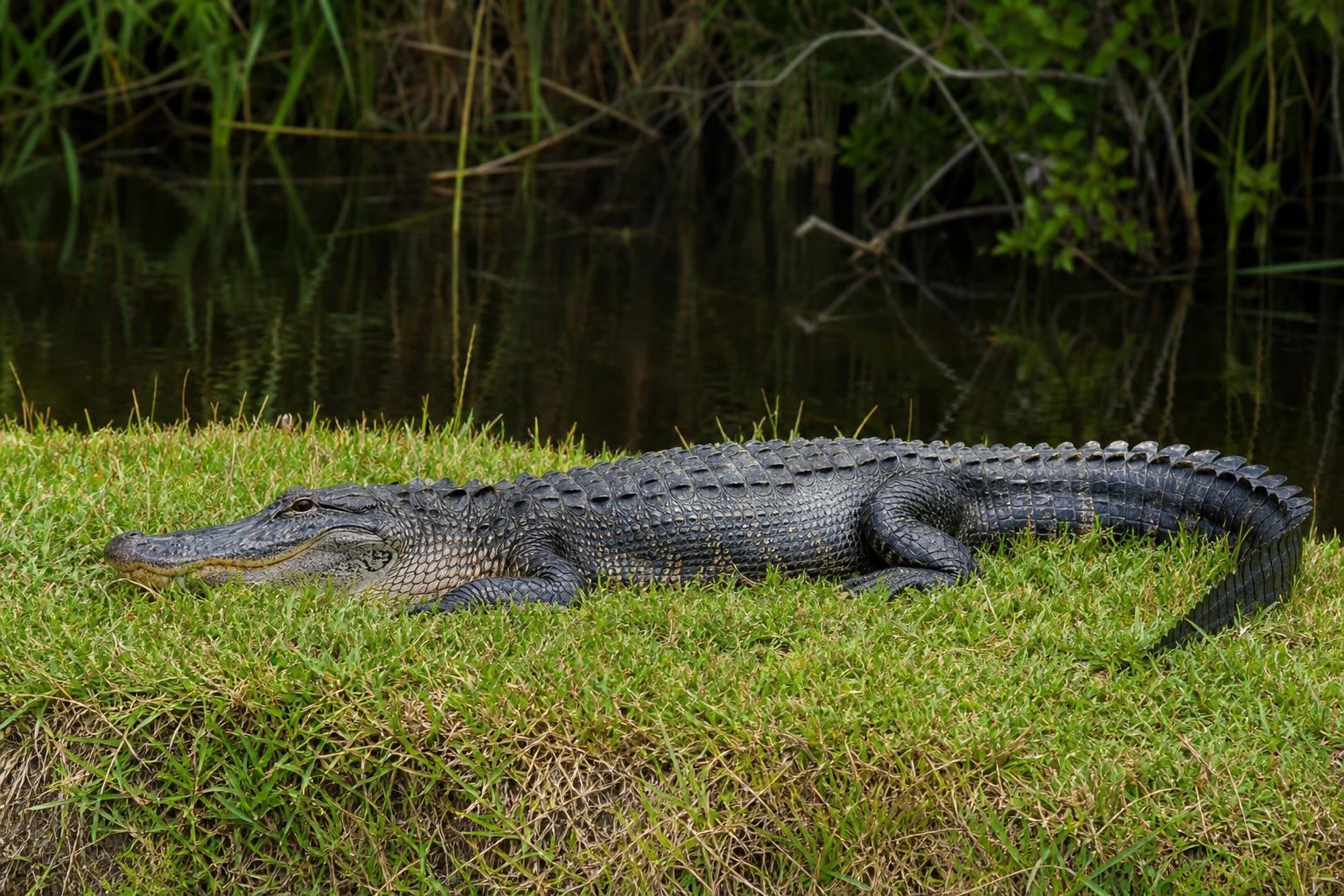
From keystone burrow-diggers to apex predators in the canal.
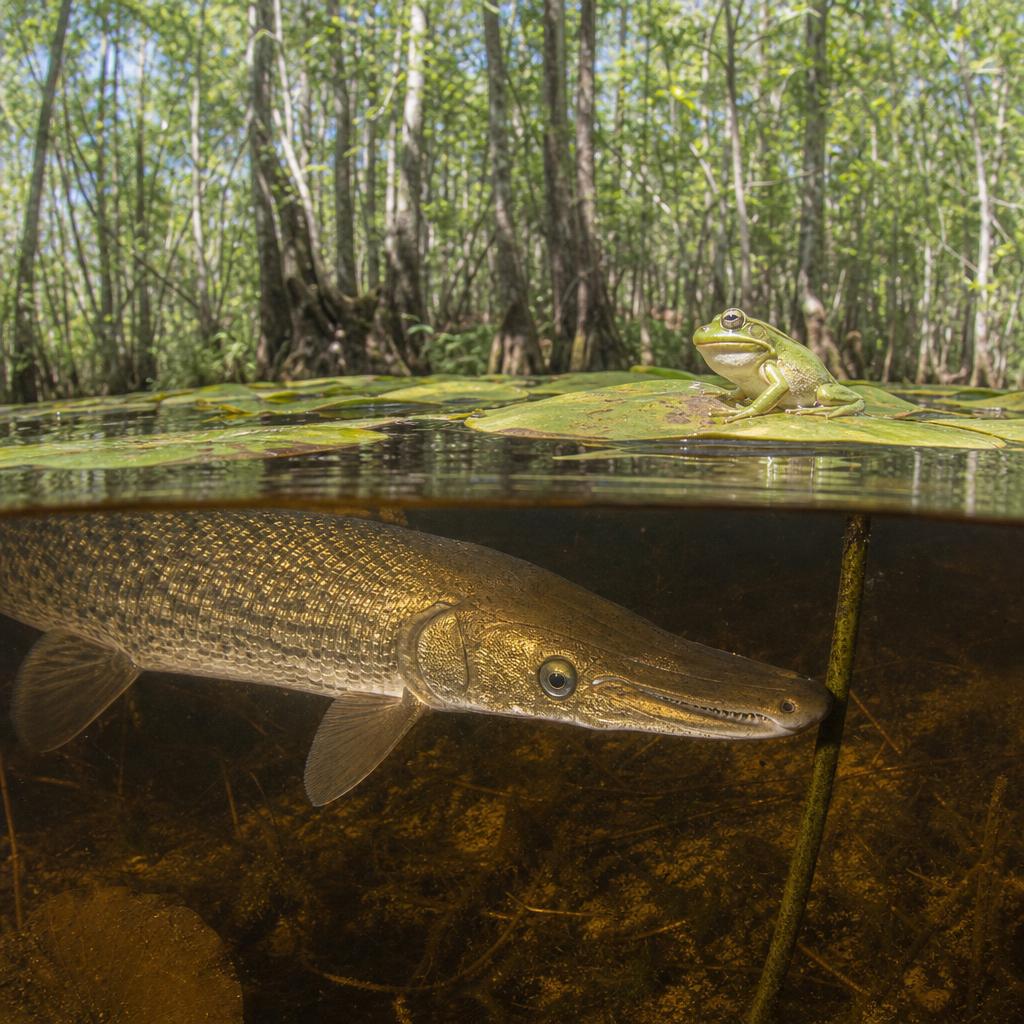
Life in the canals, sloughs, and seasonal puddles that fill our backyards.
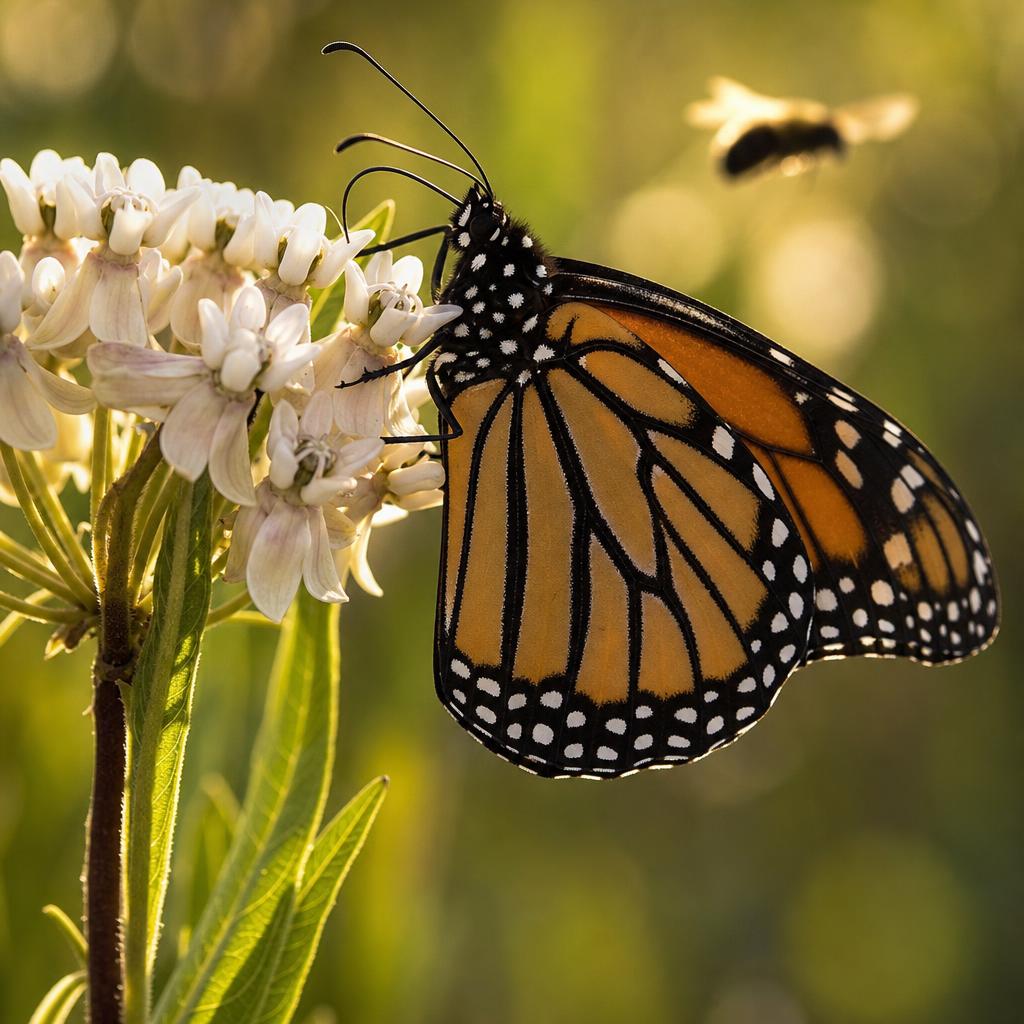
The smallest workers — and the easiest for any resident to support with a garden.
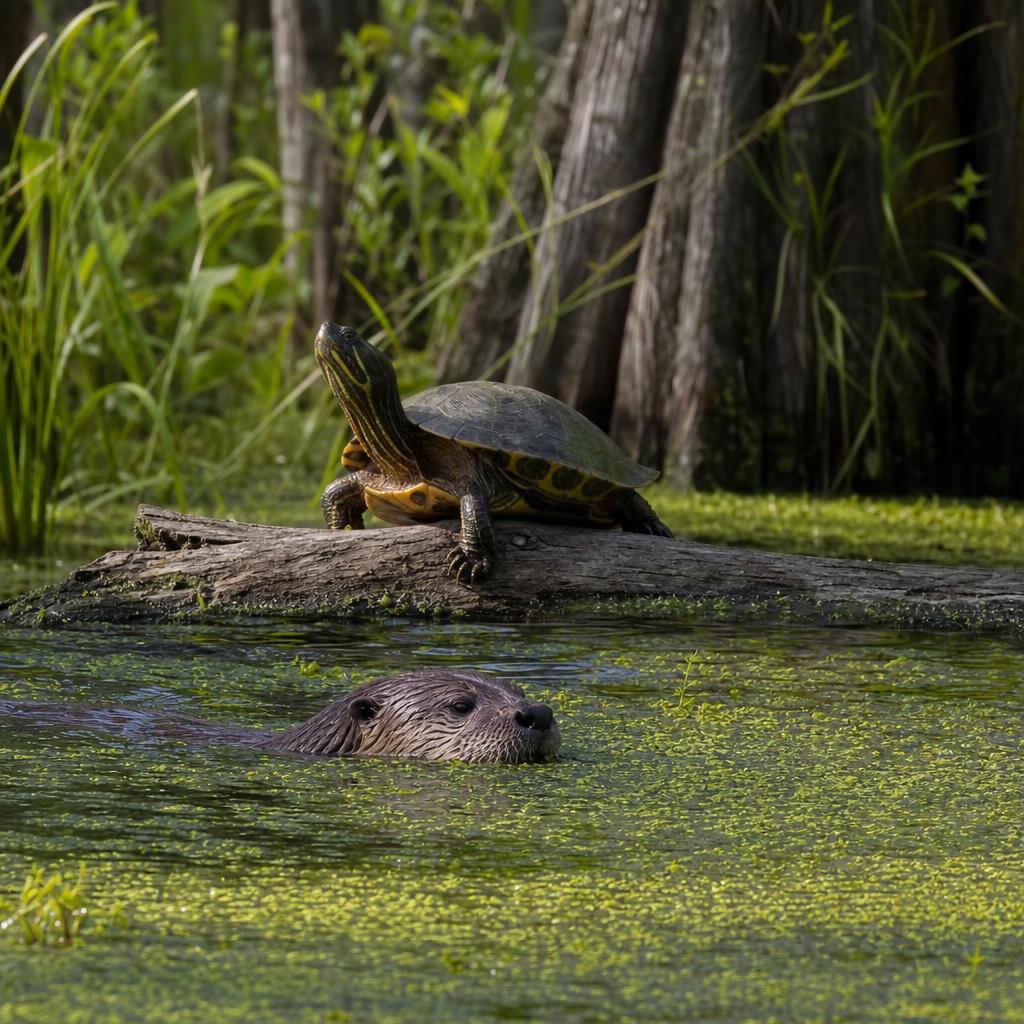
The species that depend on standing water — and on us not draining it.
Lose the habitat, lose the wildlife. These are the landscapes Montura is built into — and the ones the coalition organizes to defend.
Slash pine over saw palmetto — home to gopher tortoises and red-shouldered hawks.
Slow-moving forested wetlands that hold water through the dry season.
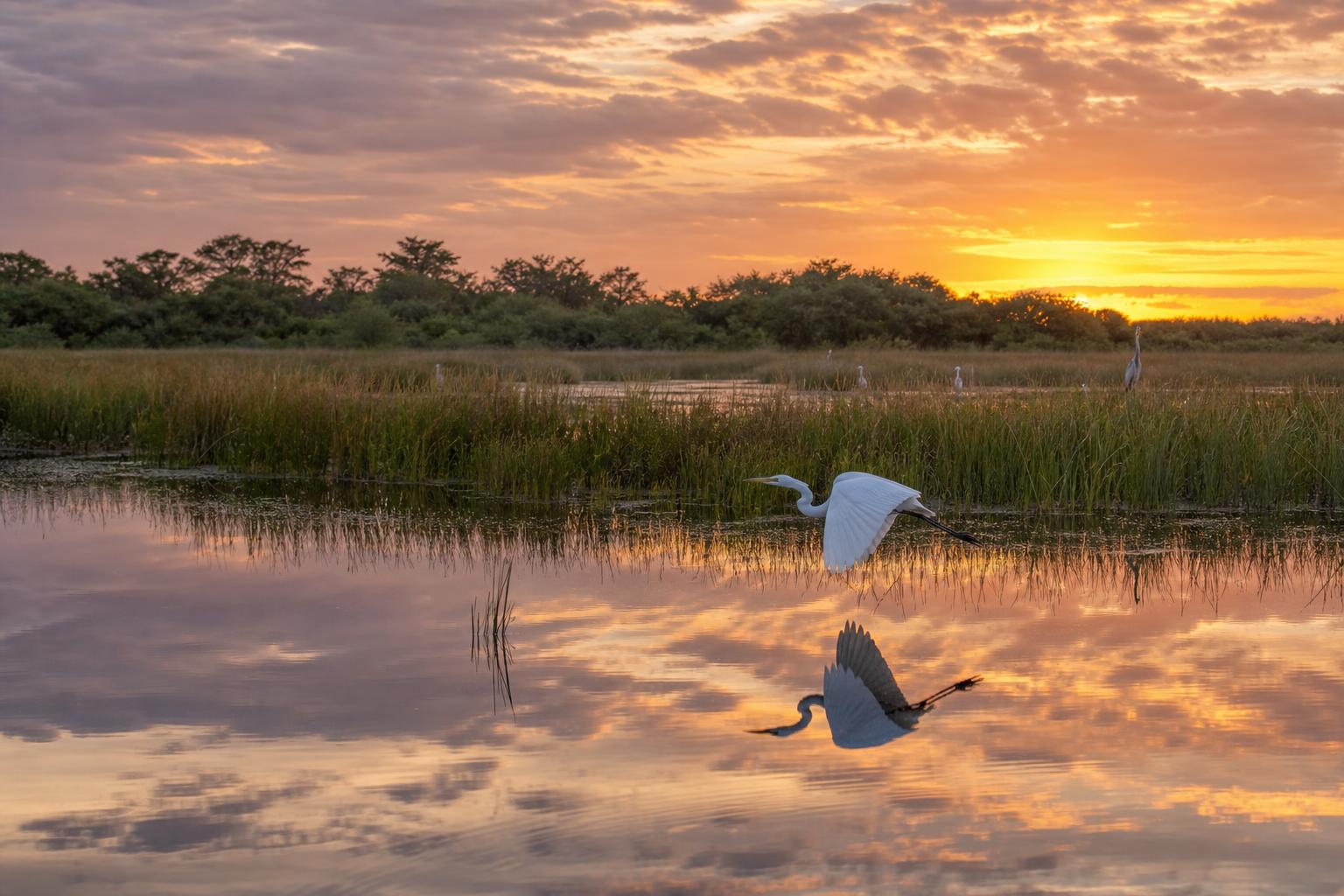
Sawgrass and wildflowers — the wading-bird buffet.
Shade islands of live oak and Spanish moss, full of songbirds and bobcats.
The waterways that feed the Everglades — and our wells.
Working ranches connect Montura to Big Cypress and the Florida Wildlife Corridor.
Montura Ranch Estates, Hendry County, Florida